Projects & Initiatives
Plastic Bottle-Cap Murals
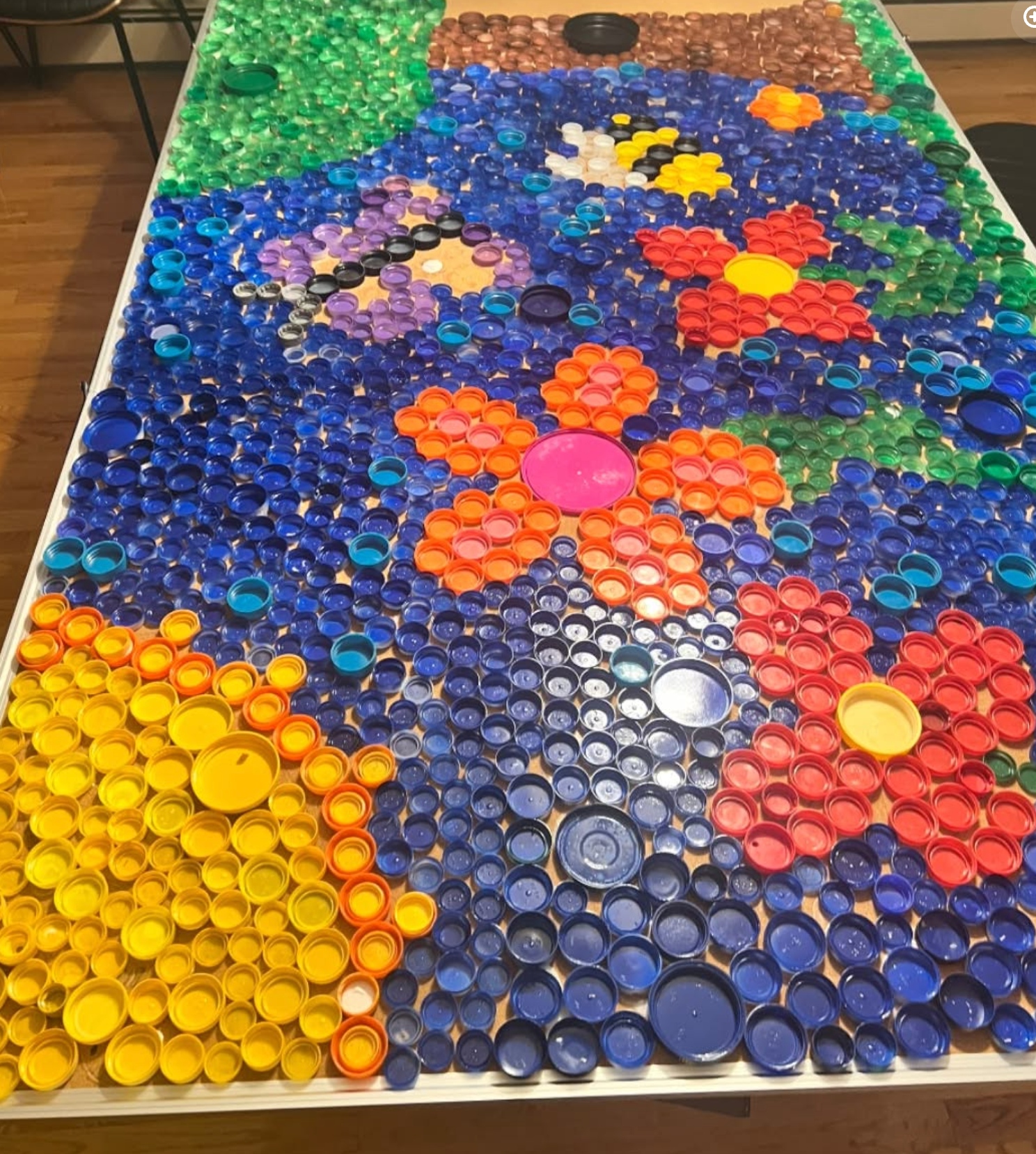
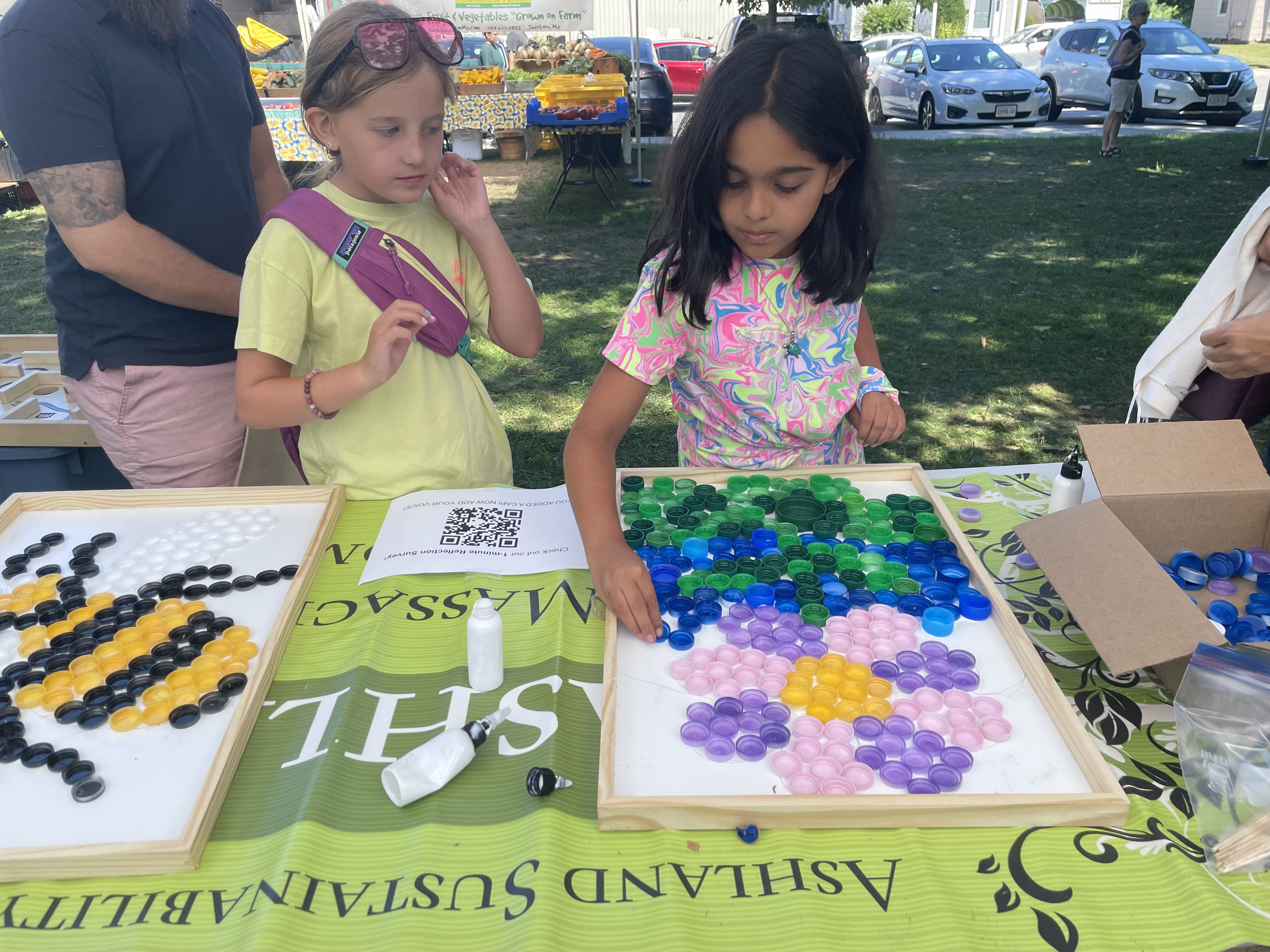
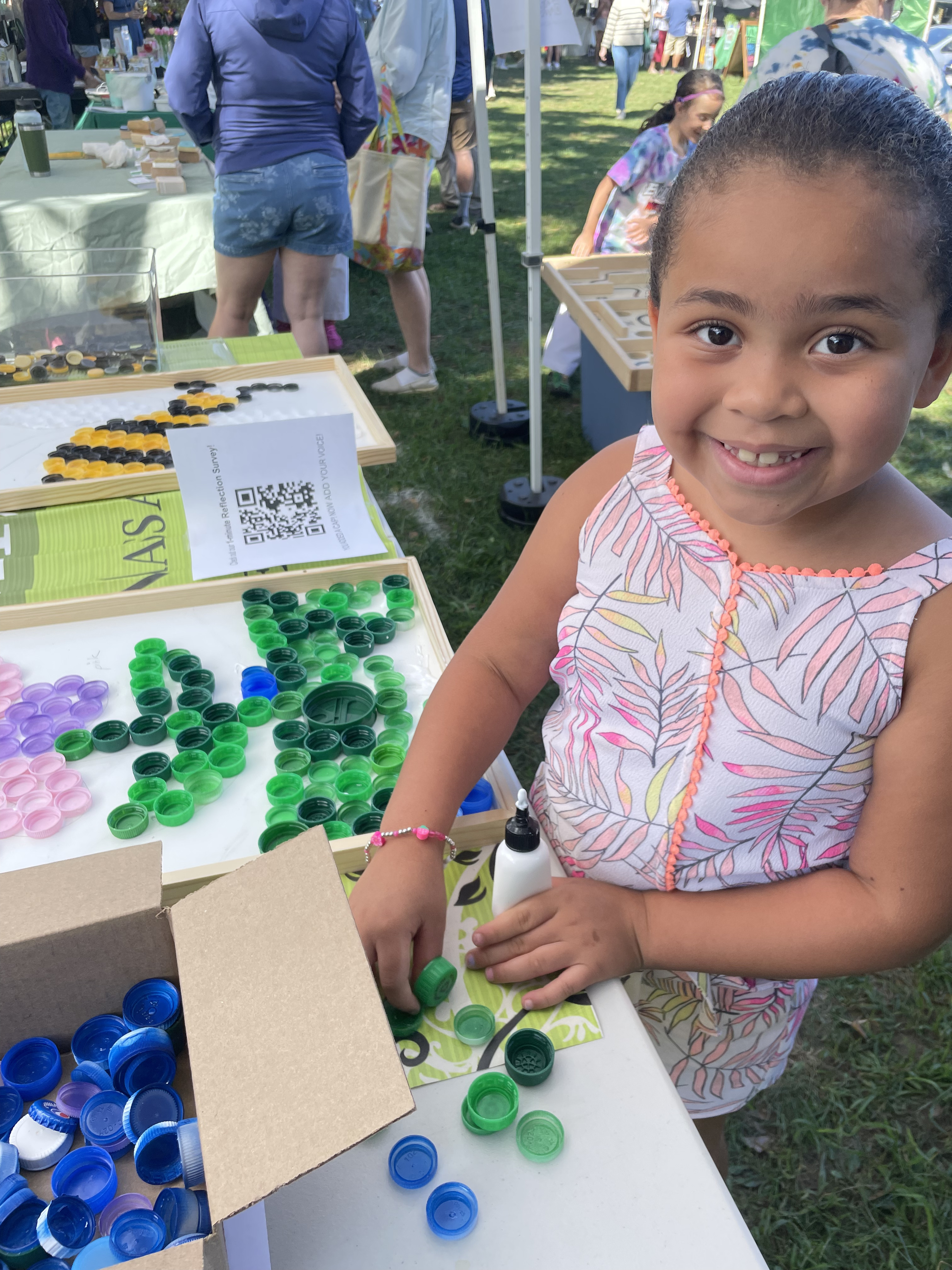
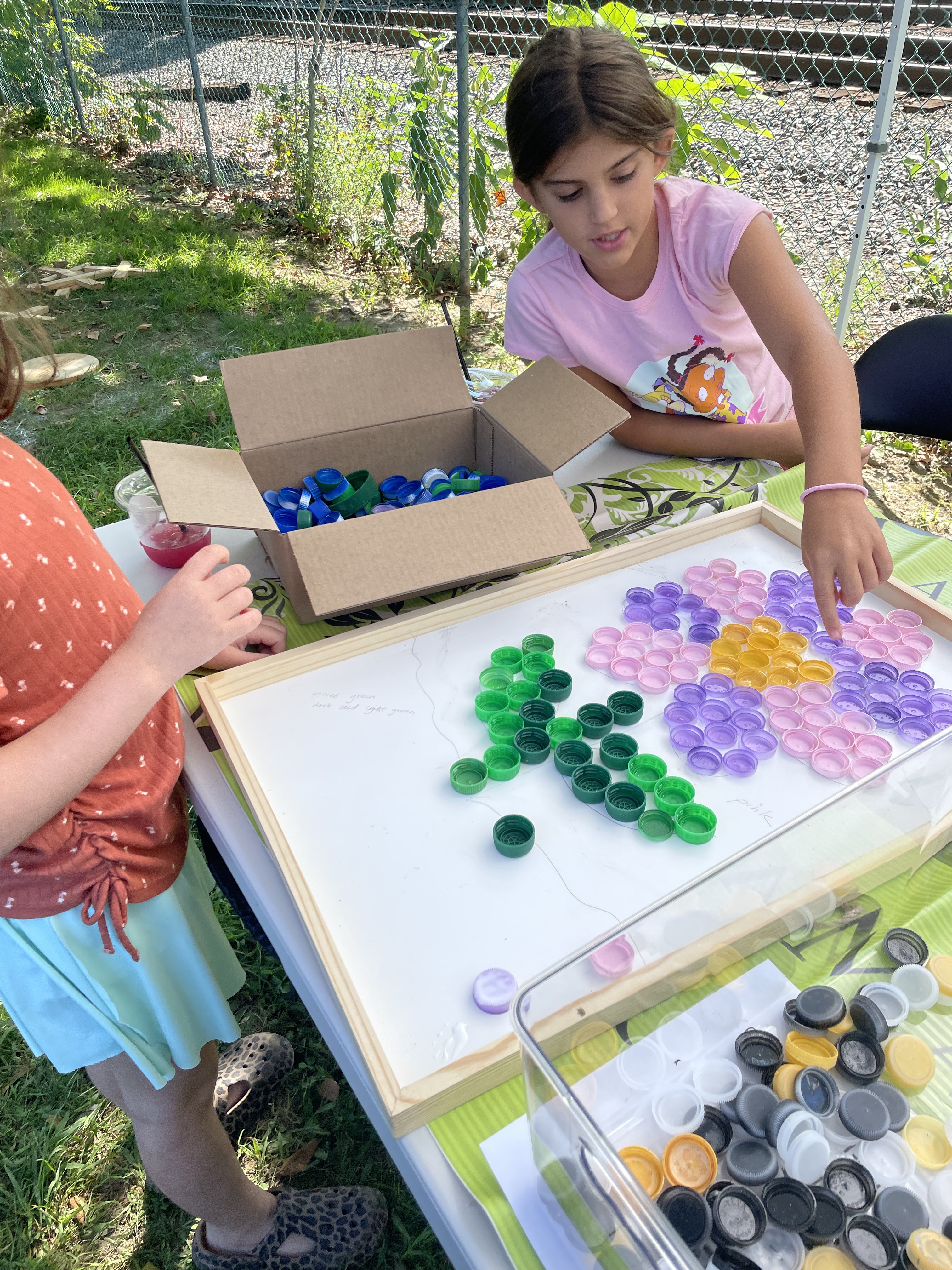
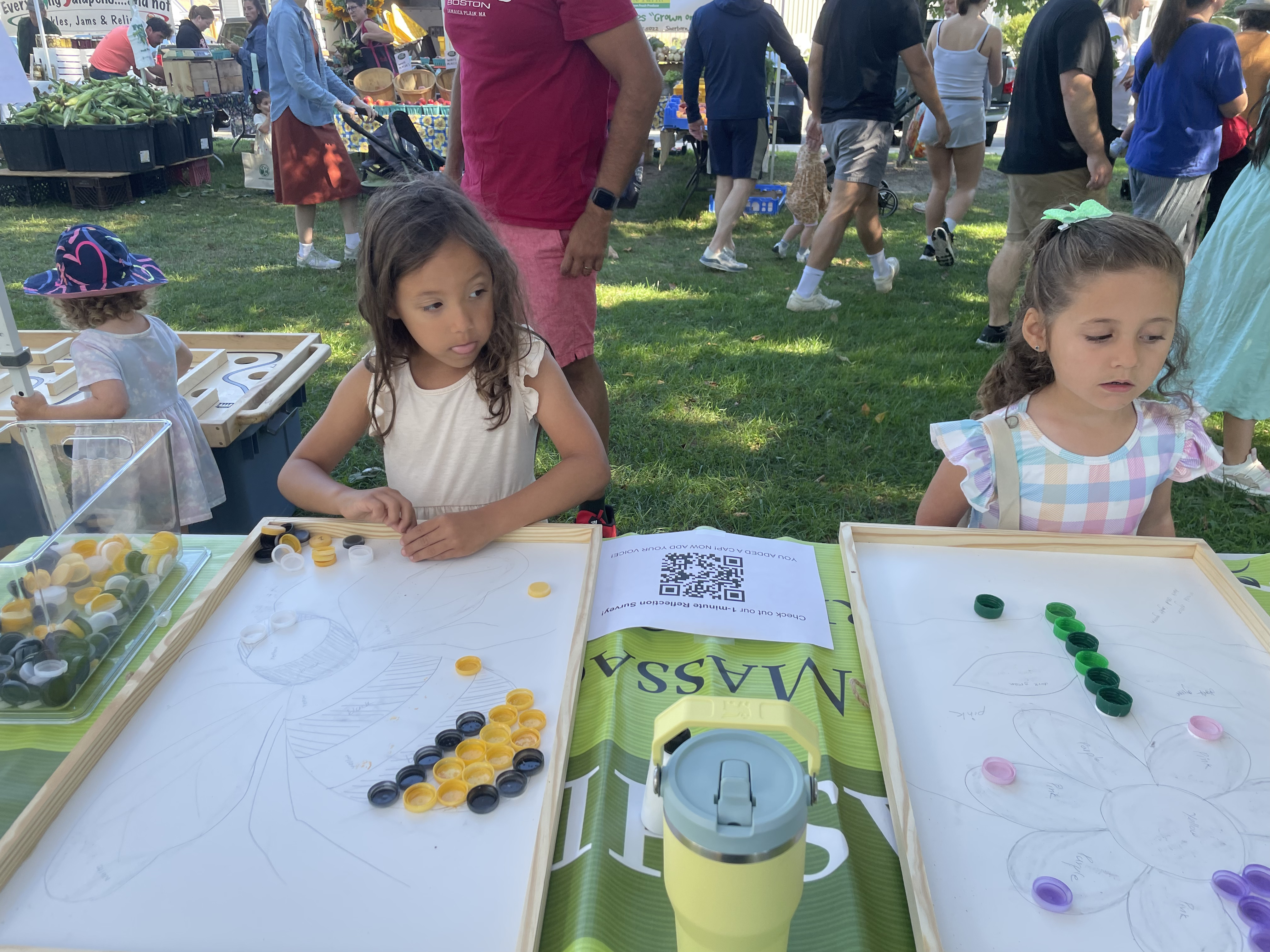
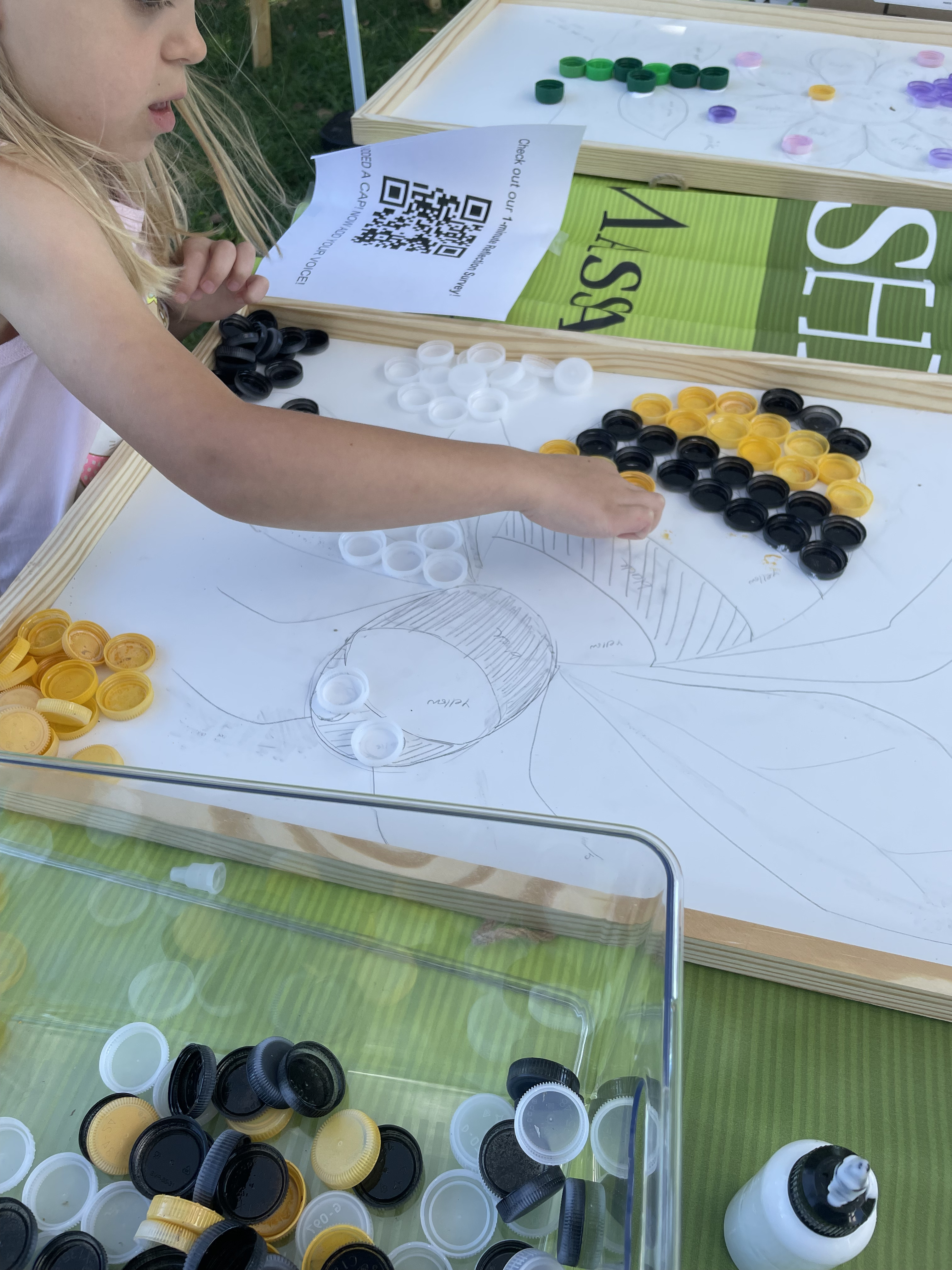
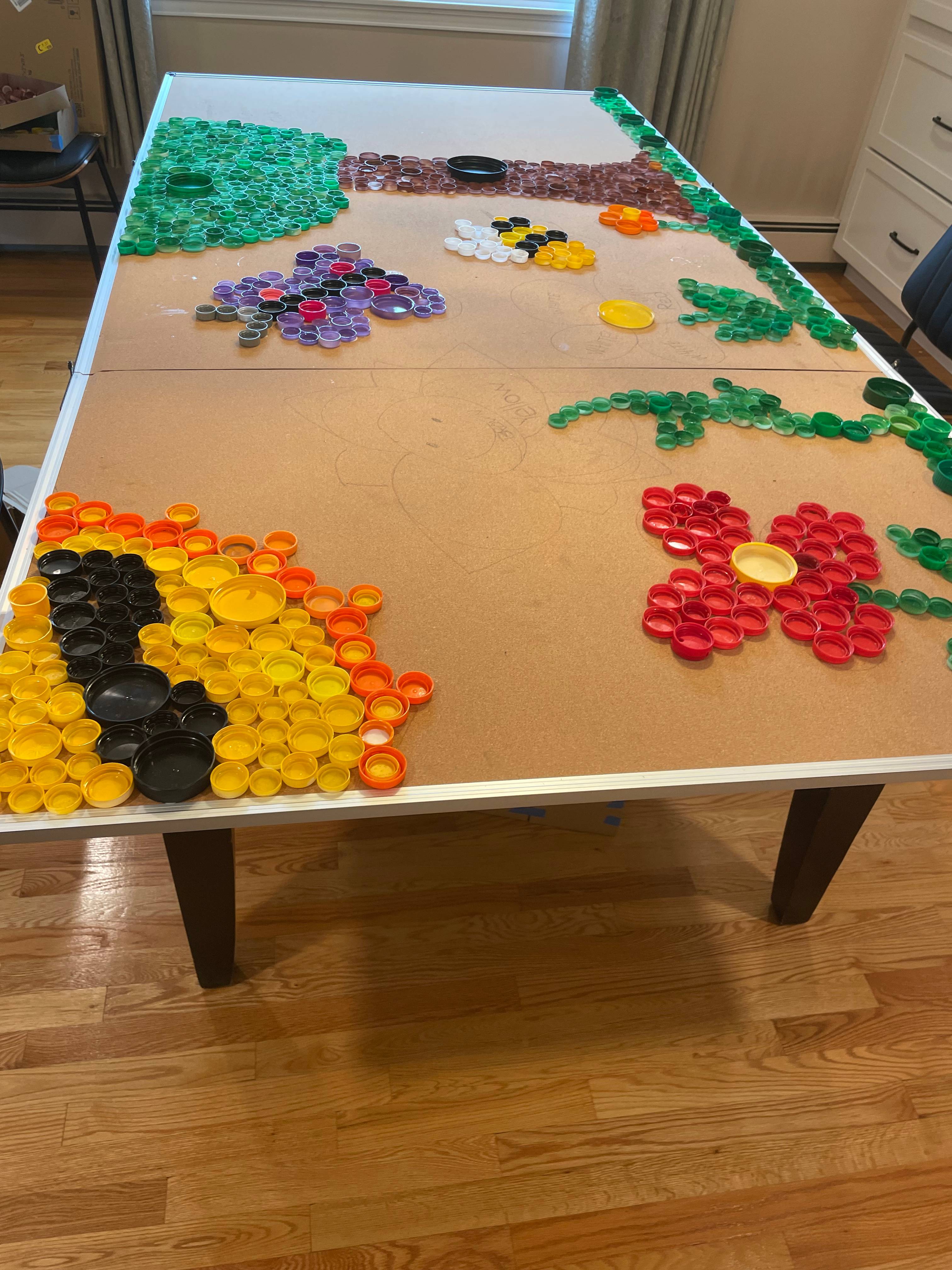
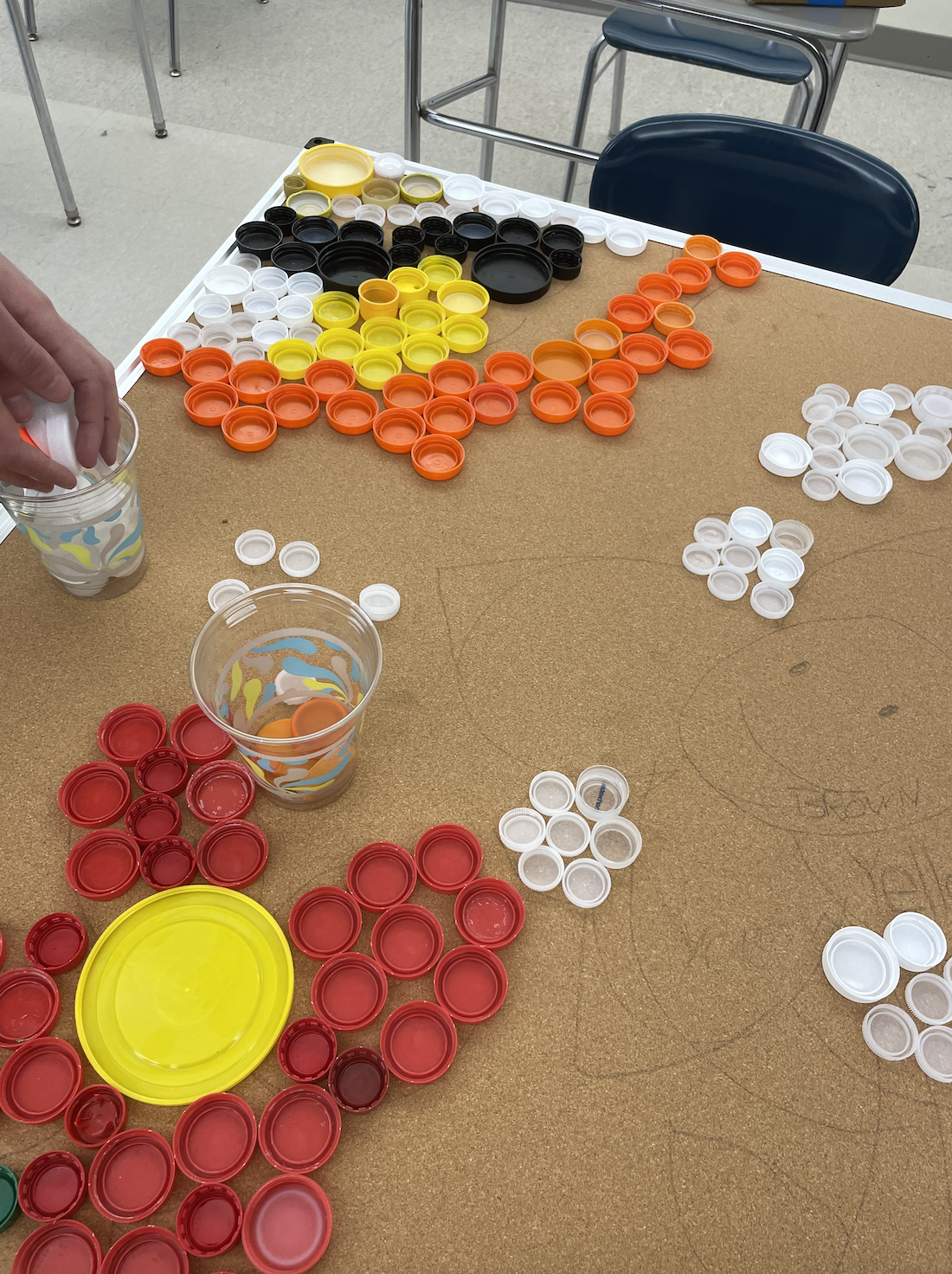
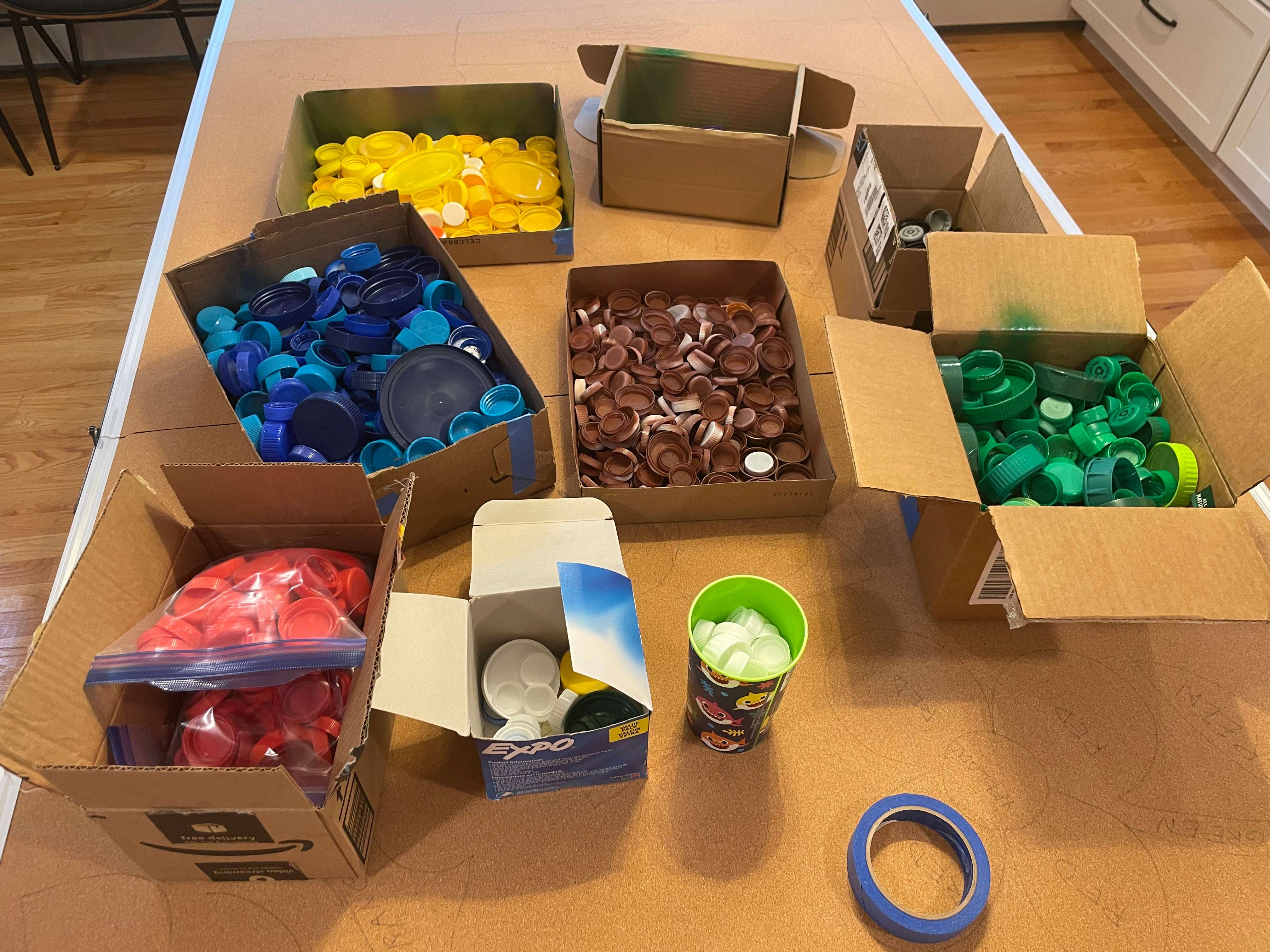
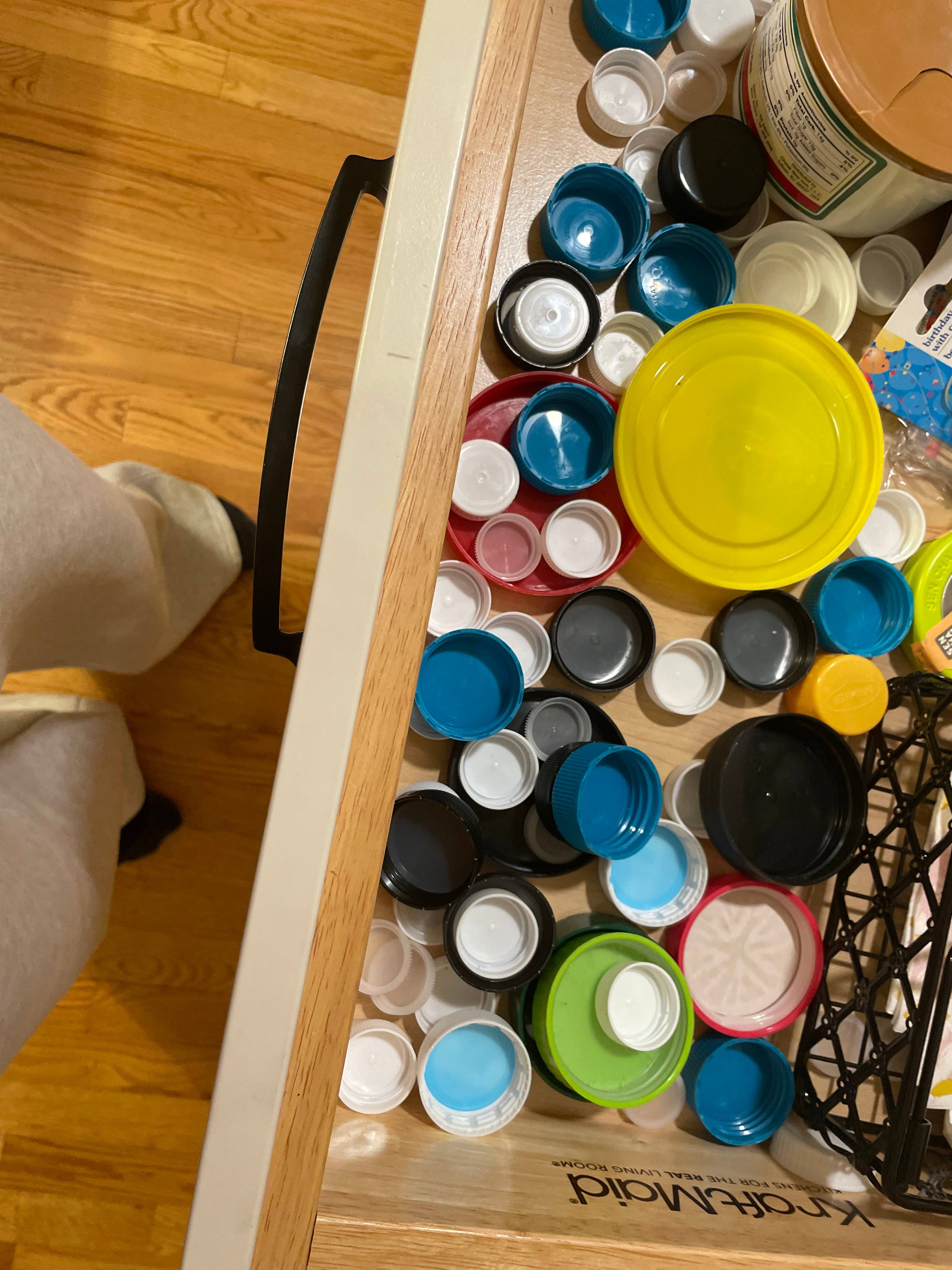
I organized a school-wide collection drive to transform discarded plastic bottle caps into large-scale community murals. Working with students and local volunteers, we sorted caps by color and arranged them into vibrant, nature-inspired artwork that now hangs in our school hallways. Across the initiative we diverted 3,500 bottle caps and roughly 20 gallons of plastic away from landfills and incinerators. Beyond the art, the project became a hands-on lesson in waste reduction, sparking conversations about how small, everyday items add up to a major environmental impact. To gather this many caps, I partnered with 10 different organizations to run collection drives across our community.

Behind the scenes


3,500
bottle caps diverted from landfills
20 gal
of plastic kept out of the waste stream
Why Bottle Caps Matter
Most bottle caps are made from polypropylene (#5 plastic), which many curbside programs do not accept because their small size lets them fall through sorting machinery at recycling facilities. As a result, caps are among the most common items found in beach and waterway cleanups. Because polypropylene does not biodegrade, discarded caps break down into microplastics over decades, fragments that have been documented in marine animals, drinking water, and even human blood.
- Prevents microplastic pollution: keeping caps intact and out of oceans stops them from fragmenting into particles that wildlife mistake for food.
- Avoids incineration emissions: burning plastic waste releases CO2 and toxic pollutants, so diverting caps reduces avoidable greenhouse-gas output.
- Extends material life: repurposing caps into durable art gives a "non-recyclable" item a second, long-term use instead of a one-way trip to the landfill.
- Builds behavior change: a visible mural turns an abstract statistic into a daily reminder, encouraging students to rethink single-use plastic overall.