Why Spending Time in Nature Is Important for Our Brains and Mental Health
Research shows that exposure to green and blue spaces improves attention, lowers stress, and supports emotional well-being, even in short doses.
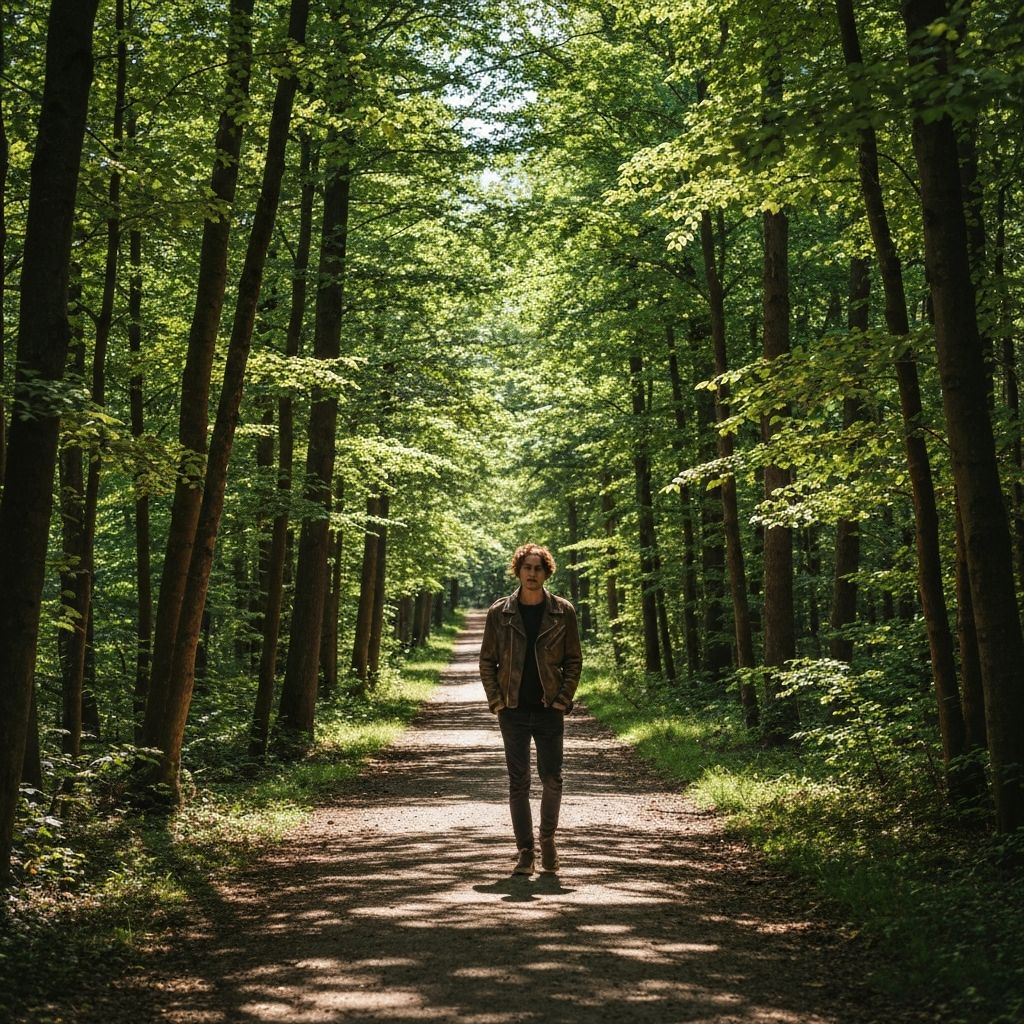
In today's world, people spend more time online than ever before. Many teenagers and young adults are almost constantly connected to their phones and computers. At the same time, people are spending less time outside. This matters because psychological research shows that spending time in nature plays an important role in mental health, mood, and brain function.
Studies show that exposure to green spaces, such as parks and forests, and blue spaces, such as rivers and oceans, is linked to better attention, lower stress, and improved emotional well-being. Even short exposure to nature can make a difference. Looking at greenery for less than a minute has been shown to improve focus. Listening to natural sounds, such as birds or ocean waves, can also improve performance on difficult thinking tasks compared to urban noise.
One reason nature is so beneficial is because it helps restore attention. Daily life requires constant focus on screens, schoolwork, and notifications. This can mentally exhaust the brain over time. Natural environments allow the brain to recover by reducing mental fatigue and supporting clearer thinking. Nature exposure is also linked to lower stress responses in the body, which can improve mood and reduce anxiety.
Spending time in nature also supports emotional and social well-being. Research shows that people who spend time in natural environments often report greater happiness, stronger feelings of meaning and purpose, and more positive social behavior. Some studies suggest that nature can increase empathy and cooperation. This means nature does not only benefit individuals. It can also strengthen how people relate to each other.
Nature does not have to mean remote wilderness. Urban parks, trees, and nearby green spaces can still provide real psychological benefits. As screen time increases and cities continue to grow, protecting access to nature is important for both public health and brain health. Spending time outside supports healthier minds, stronger communities, and a deeper connection to the environment.