Why Climate Anxiety Is Becoming a Defining Issue for Gen Z
New research shows that climate anxiety is widespread among Gen Z and is already influencing mental health and life decisions in measurable ways.
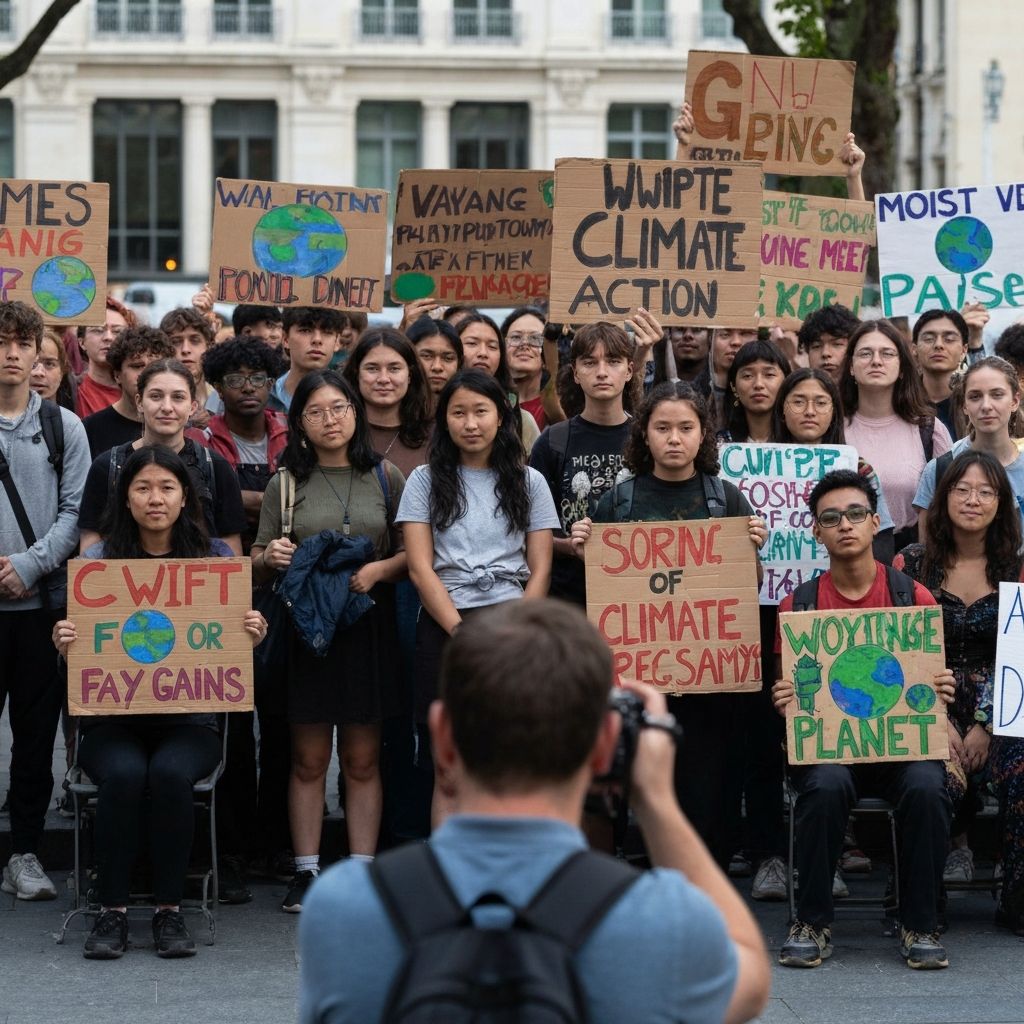
For many young people, climate change is not just a distant environmental problem. It is a constant presence that shapes how they think about the future, their careers, and even whether they want to start families. New research shows that climate anxiety is widespread among Gen Z and is already influencing mental health and life decisions in measurable ways.
A study of Australian university students found that climate change was their top environmental concern. More than 80 percent of respondents said they were concerned or very concerned about the issue. For many, this concern goes beyond awareness and becomes persistent anxiety. Researchers describe climate anxiety as ongoing distress linked to fears about future climate disasters, uncertainty about the planet's future, and a sense that meaningful action is not happening fast enough.
This kind of chronic stress matters. Climate anxiety has been linked to feelings of fear, anger, exhaustion, and powerlessness. Over time, these emotions can affect mental health and long-term wellbeing. The study also suggests that this anxiety may influence major life choices, including career paths, spending habits, and decisions about having children. In this way, climate change is not only shaping ecosystems and economies. It is also shaping personal identities and future planning for an entire generation.
Interestingly, despite high levels of concern, only about a third of Gen Z participants regularly engaged in traditional forms of activism like protests, fundraising, or political campaigns. Many instead use social media to express concerns and stay informed. While online engagement can raise awareness, researchers suggest that taking part in more direct, real-world action may help reduce feelings of helplessness and give young people a greater sense of agency.
The research makes one thing clear. Climate anxiety is not just an emotional response. It is a social and public health issue. Supporting young people means taking both mental health and climate action seriously. Reducing climate risks and creating real pathways for participation can help turn anxiety into a sense of purpose and control.