Why Biodiversity Loss Is Everyone's Problem
When species disappear, it changes how food systems work, how water is cleaned, how diseases spread, and how resilient our world is to stress.
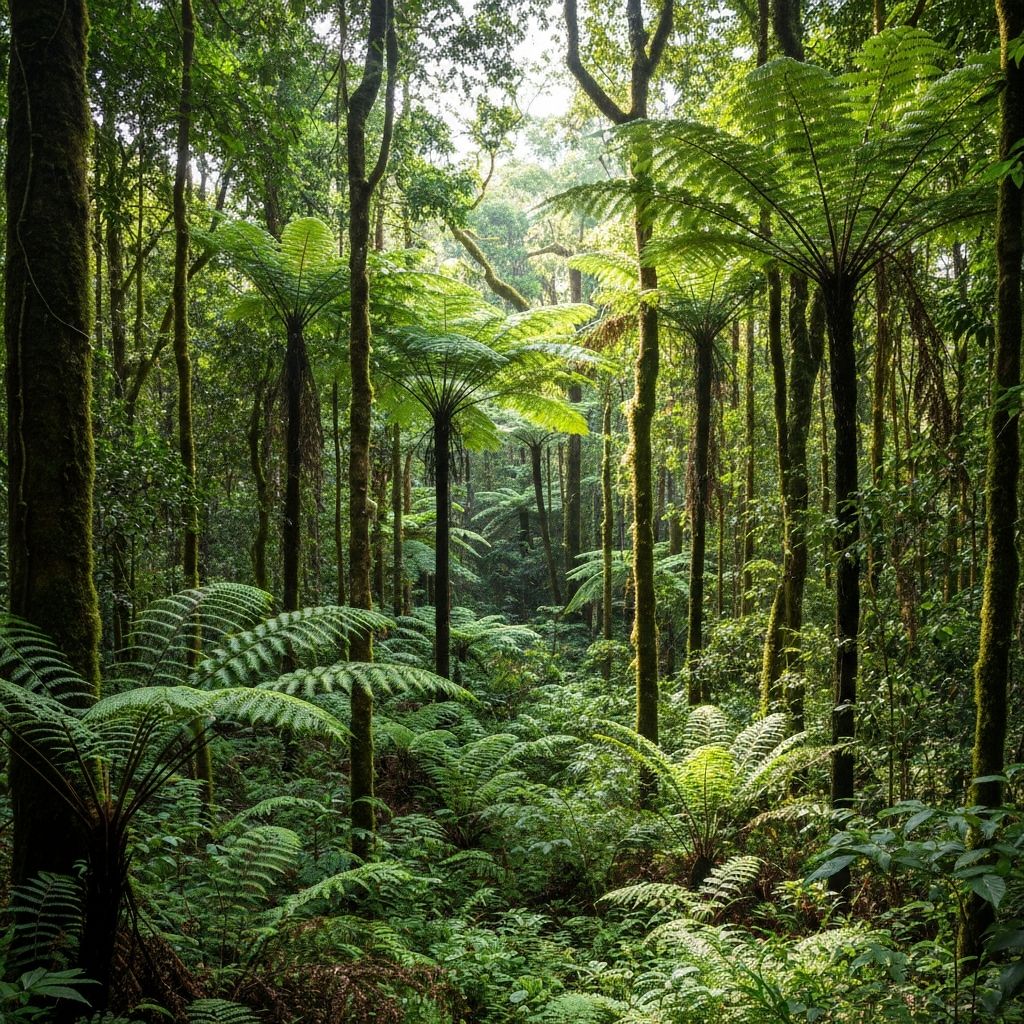
Biodiversity loss is often talked about like it is a problem for scientists, conservationists, or people who live near rainforests and coral reefs. But the truth is that it is a problem that reaches into everyday life in ways most people never notice. When species disappear, it is not just a tragedy for nature. It changes how food systems work, how water is cleaned, how diseases spread, and how resilient our world is to stress.
Right now, human activity is reshaping the planet at a pace that is faster than most species can handle. Forests are cleared for farming and development. Wetlands are drained. Oceans are overfished. Climate change adds another layer of pressure by shifting temperatures and rainfall patterns that many plants and animals evolved around. The result is that ecosystems lose pieces of themselves, and once enough pieces are gone, the whole system starts to behave differently.
This matters because humans depend on those systems, even when it does not feel obvious. Pollinators like bees support huge portions of fruit and vegetable production. Wetlands filter water naturally before it reaches rivers and drinking supplies. Mangroves and coral reefs reduce storm damage by absorbing wave energy. When biodiversity declines, these services weaken. That means more crop losses, dirtier water, higher flood risks, and more money spent trying to replace what nature used to do for free.
There is also a hidden risk in how much we have narrowed the species we rely on for food. Modern agriculture depends on a small number of crop varieties and livestock breeds. That makes the system efficient in the short term, but fragile in the long term. If a disease, pest, or climate shock hits one of those dominant varieties, there are fewer backups. Wild relatives of crops and animals hold genetic traits that could help future breeding, but if those wild species disappear, those options disappear too.
Protecting biodiversity is not just about saving rare animals for moral reasons. It is about keeping ecosystems flexible, stable, and able to absorb change. A diverse system has more pathways to recover after stress. A simplified system breaks more easily.
When nature unravels, the impacts do not stay in forests or oceans. They show up in food prices, disaster damage, public health, and long term economic stability. Biodiversity is not a luxury. It is infrastructure. And like any critical system, once it is damaged enough, rebuilding it becomes far harder than protecting it in the first place.