The Klamath Dam Removal and the Return of a Free-Flowing River
On August 28, 2024, crews breached the last temporary barriers at the former Iron Gate and Copco No. 1 dam sites, allowing the Klamath River to flow through its historic channel again. Salmon now had a route they had been unable to…
On August 28, 2024, crews breached the last temporary barriers at the former Iron Gate and Copco No. 1 dam sites, allowing the Klamath River to flow through its historic channel again. Salmon now had a route they had been unable to travel for generations. Although demolition work remained, water could move through the reopened channel. [1]
The world's largest dam removal project was reconnecting about 420 miles of salmon habitat in the Klamath watershed of southern Oregon and northern California. [2] For Tribes whose food and cultural practices depend on the river, that opening offered hope after decades of declining fish runs. [3] Whether those runs recover will depend on what happens throughout the newly connected watershed.
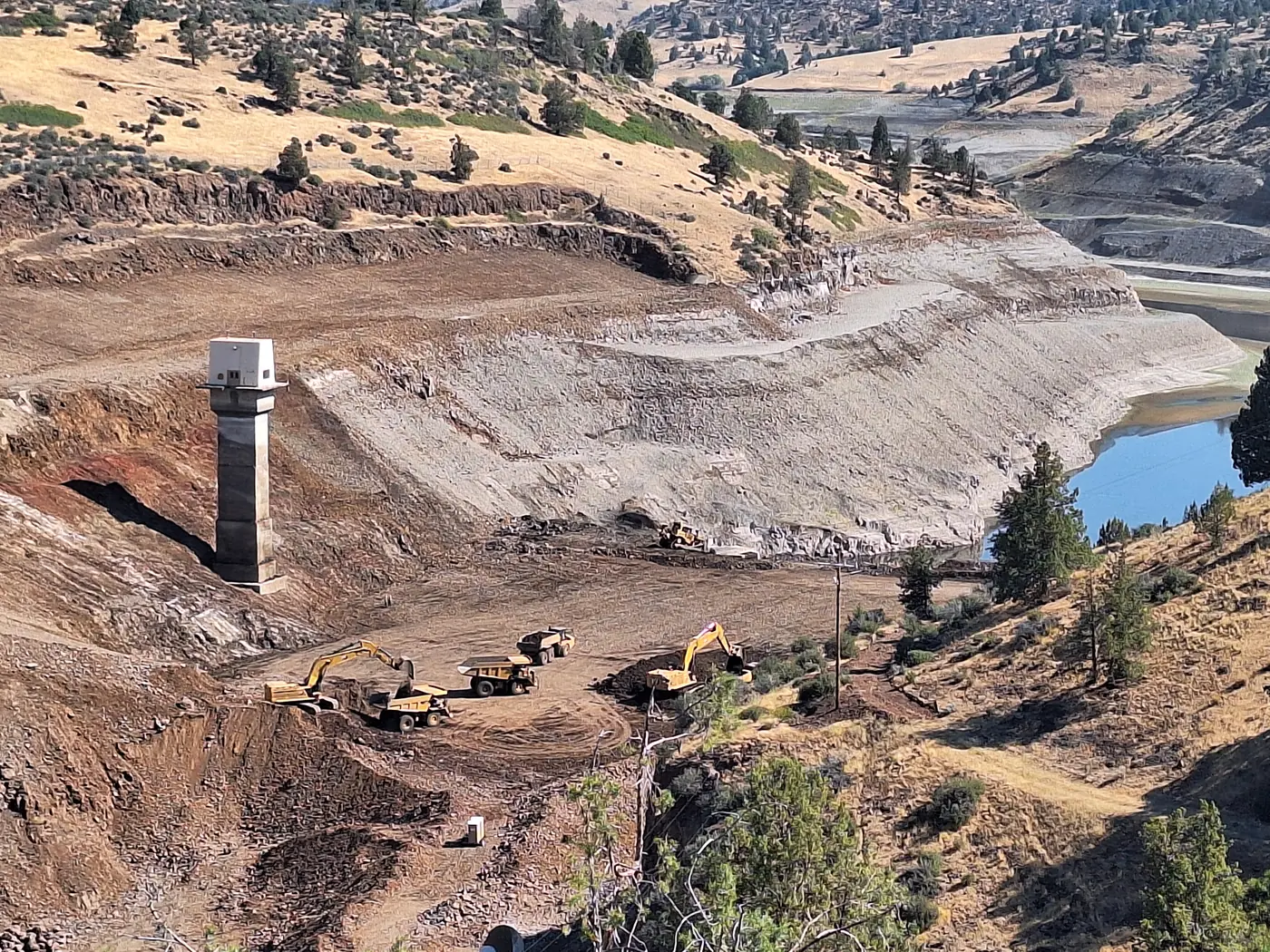 Removal work at Iron Gate Dam, in a photograph published by NOAA Fisheries in August 2024.
Bob Pagliuco / NOAA Office of Habitat Conservation
Removal work at Iron Gate Dam, in a photograph published by NOAA Fisheries in August 2024.
Bob Pagliuco / NOAA Office of Habitat Conservation
Why the Klamath Dams Came Down
Four hydroelectric dams are involved in the project: J.C. Boyle, Copco No. 1, Copco No. 2, and Iron Gate. The dams prevented salmon from reaching upstream habitat, while their reservoirs worsened conditions in the water flowing downstream. Removing them addresses both problems. [4]
Salmon returning from the ocean need to reach freshwater places where they can reproduce, and their young need suitable habitat before migrating downstream. If that route is blocked, less of the watershed is available to support the next generation. On the Klamath, the dams restricted these movements while changes in temperature, dissolved oxygen and disease put additional pressure on the fish below them. [3]
The reservoirs also supported seasonal blooms of toxin-producing cyanobacteria, often called blue-green algae. Removing the impoundments is expected to reduce those blooms and improve conditions for salmon. [5] Opening the channel therefore begins changing the water fish travel through as well as the places they can reach.
The Tribes Behind the Removal
The urgency of that change became painfully clear in 2002, when tens of thousands of fish died in the lower Klamath. Low flows contributed to the disaster, which intensified Tribal efforts to secure dam removal. [2]
When salmon runs decline, communities with longstanding fishing traditions lose more than fish. Families' food, livelihoods and opportunities to pass fishing knowledge to their children are affected. Yurok attorney Amy Cordalis has described how the river supports her family's livelihood and the Tribe's responsibility to care for the natural world. These relationships help explain why the campaign continued through decades of negotiation. [3]
The eventual agreement brought together California, Oregon, the Yurok and Karuk Tribes, PacifiCorp, fishing groups, and other partners. Federal regulators approved the removal plan in November 2022, allowing the nonprofit Klamath River Renewal Corporation and its partners to carry the project forward. [6] Economics helped make agreement possible: PacifiCorp concluded that removing the aging dams would cost less than upgrading them to meet environmental requirements. [2]
For people living beside the reservoirs, removal also brought changes to recreation, and falling groundwater levels could affect nearby wells. Federal approval included measures to monitor and address water-supply impacts. [4] These local consequences had to be managed alongside the expected benefits for fish and downstream communities.
The River's Sediment Release
Before the river could occupy the former reservoir sites, the stored water had to drain. Copco No. 2 was removed in 2023; drawdown of the remaining reservoirs began in January 2024. As water levels fell, the river cut through sediment that had accumulated behind the dams. [1][5]
Approximately 15.5 million cubic yards of sediment had collected in the reservoirs over decades. Much of it consisted of fine material and dead algae that could remain suspended as water carried it downstream. Drawdown was timed for winter, when higher flows could help move and dilute this material. Sediment left on exposed reservoir land would be stabilized through restoration. [5]
As the river carried sediment downstream, a temporary period of poorer water quality and harm to aquatic life was expected. The federal review weighed these effects against longer-term improvements in fish passage and river conditions. [4] Monitoring would allow the actual water conditions to be compared with the disturbance anticipated during planning.
By late August, the remaining temporary barriers at Iron Gate and Copco No. 1 were ready to be breached. Their opening returned water to the historic channel at those sites and connected the route for migrating fish. [1]
Restoring the Former Reservoirs
The newly exposed land needed attention while the dams were still coming down. Under contract with Resource Environmental Solutions, the Yurok Fisheries Department led planting across the former reservoir reach, working with partner crews to establish native vegetation. By late March, they had planted approximately 76,000 trees and shrubs as well as sowing native seeds. [7]
Crews had begun collecting seeds from local plants years earlier, allowing them to choose mixtures suited to different ground conditions as the reservoirs drained. Fast-growing grasses and flowering plants could hold exposed sediment in place. Establishing native vegetation early also gave it a better chance of competing with invasive weeds.
As riverside trees and shrubs grow, they can eventually provide shade, and vegetation can support insects eaten by young fish. However, a green reservoir floor is still an early stage of recovery. The river and tributaries have to settle into their channels, and a mature riverside forest will take decades to develop. [7]
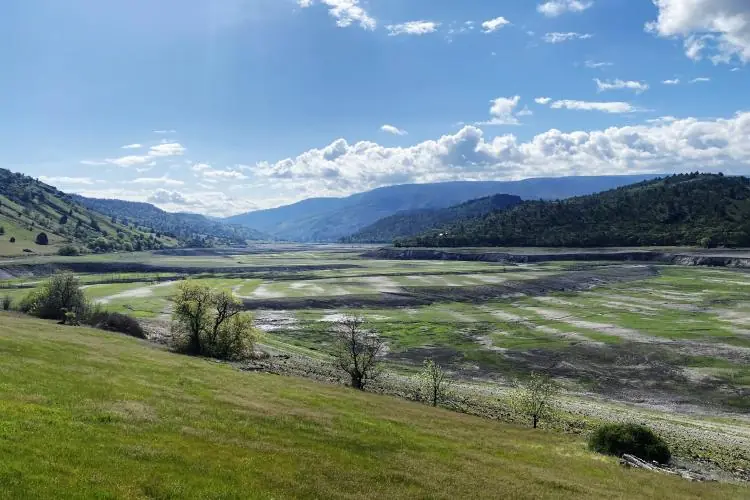 Plants growing on a former reservoir footprint, photographed before NOAA's July 2024 project update.
Tommy Williams / NOAA
Plants growing on a former reservoir footprint, photographed before NOAA's July 2024 project update.
Tommy Williams / NOAA
The Next Journey for Salmon
Reopening the river allows salmon to reach tributaries with different conditions, including cold-water refuges. If populations spread across these habitats, they may be less vulnerable to a fire, drought or other disturbance concentrated in one part of the watershed. [2] The benefits depend on which places fish can reach and successfully use.
An August monitoring plan brings together Tribes, CalTrout, NOAA, and other agencies. Sonar below the former Iron Gate Dam will count fish moving upstream; captured fish will help establish which species are returning; and radio tags will reveal where some of them travel. The Yurok and Karuk Tribes will operate the sonar station, while the Klamath Tribes will contribute upstream tracking. [8]
Combining migration observations with spawning surveys can help distinguish exploratory journeys from the establishment of new populations. The results will show which habitats fish use and where further restoration is needed. Since recovery is expected to take several generations, observations during the coming autumn will be an early part of a much longer record. [8]
Other constraints remain upstream. Keno Dam is not included in the removal project, and improving fish passage there is a separate undertaking. [2] Releases from the upstream irrigation project also continue to affect river flows. [5] By the end of August 2024, the reopened lower Klamath had given salmon an opportunity to reclaim habitat. Continued work on water conditions, tributaries and riverbanks will help determine whether that opportunity leads to recovery.
Sources
- Klamath River flows in historic channel for the first time in a century
- World’s Biggest Dam Removal Project to Open 420 Miles of Salmon Habitat this Fall
- Restoring the Klamath River Basin: The Largest Dam Removal Project in the World
- ORDER MODIFYING AND APPROVING SURRENDER OF LICENSE AND REMOVAL OF PROJECT FACILITIES
- Frequently Asked Questions on Decommissioning Dams and Klamath River Water Quality (Lower Klamath Project License Surrender)
- Federal Energy Regulator Gives Final Go-Ahead for Historic Klamath Dam Removal Plan
- Yurok Tribe Leads Massive Revegetation Project
- Teams and Technology Trace Klamath River Recovery by Tracking New Salmon Returns