The Hidden Cost of Corn: Feedlots and Industrial Agriculture
Less than 2% of U.S. corn is eaten by people. The rest fuels a system of feedlots and ethanol production that prioritizes scale over sustainability.
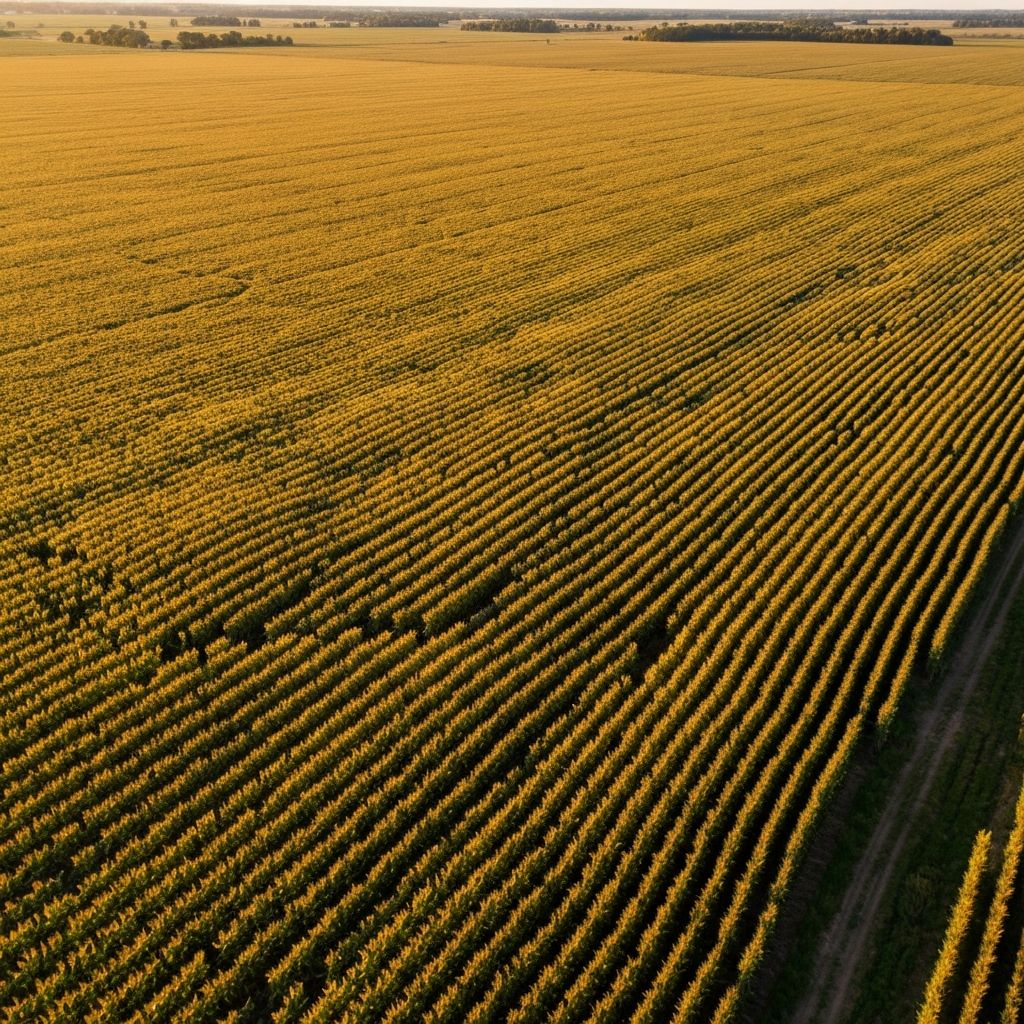
When people picture American agriculture, they often imagine corn as a food crop. In reality, very little U.S. corn is eaten directly by people. Less than 2% of corn grown in the United States is used for direct human consumption. Instead, the majority is used for animal feed and fuel. Roughly 35–40% goes to livestock feed, and about 30–45% is used to make ethanol. This means that vast areas of fertile farmland are devoted to supporting industrial systems rather than feeding people directly.
Feedlots are a central part of this system. In feedlots, thousands of cows are concentrated in small areas and fed grain-heavy diets to speed up weight gain. While this creates cheap meat through economies of scale, it also concentrates waste, disease risk, and pollution. Large numbers of animals living close together increase the chance that pathogens can spread quickly, raising the risk of outbreaks that can affect both animals and, in some cases, human health.
From an efficiency standpoint, feeding crops to animals is also highly wasteful. It takes multiple pounds of grain to produce a single pound of beef because much of the energy in crops is lost through metabolism, heat, and waste. If those same crops were eaten directly by people, far more calories and protein could be produced using the same land and water. This means that current livestock systems use more land, water, and fertilizer than necessary to meet human nutritional needs.
Nutrient pollution is another major consequence. Feedlots produce massive amounts of manure, which is often stored in large open manure lagoons. These lagoons can leak or overflow, releasing nitrogen, phosphorus, and pathogens into nearby waterways. Excess nutrients fuel harmful algal blooms, contaminate drinking water, and create oxygen-depleted dead zones in rivers, lakes, and coastal waters.
Overall, the feedlot-corn system shows how industrial agriculture prioritizes scale and low prices while shifting environmental and public health costs onto ecosystems and communities. Rethinking how livestock are raised and how crops are used could make the food system more efficient, more resilient, and far less polluting.