How Is Solar Power Changing the Global Electricity Mix?
Solar power is supplying a growing amount of the world’s electricity. In April 2025, Ember’s Global Electricity Review, released on 8 April, reported that renewables and nuclear together supplied 40.9% of global electricity in…
Solar power is supplying a growing amount of the world’s electricity. In April 2025, Ember’s Global Electricity Review, released on 8 April, reported that renewables and nuclear together supplied 40.9% of global electricity in 2024. For the third consecutive year, solar added more electricity than any other source.[1]
Fossil-fuel generation also increased that year, even as its share of the electricity mix fell. This can happen when electricity demand grows faster than clean sources can meet it. Solar’s expansion is changing how electricity is produced, but understanding its effect also requires looking at how much more electricity the world is using.
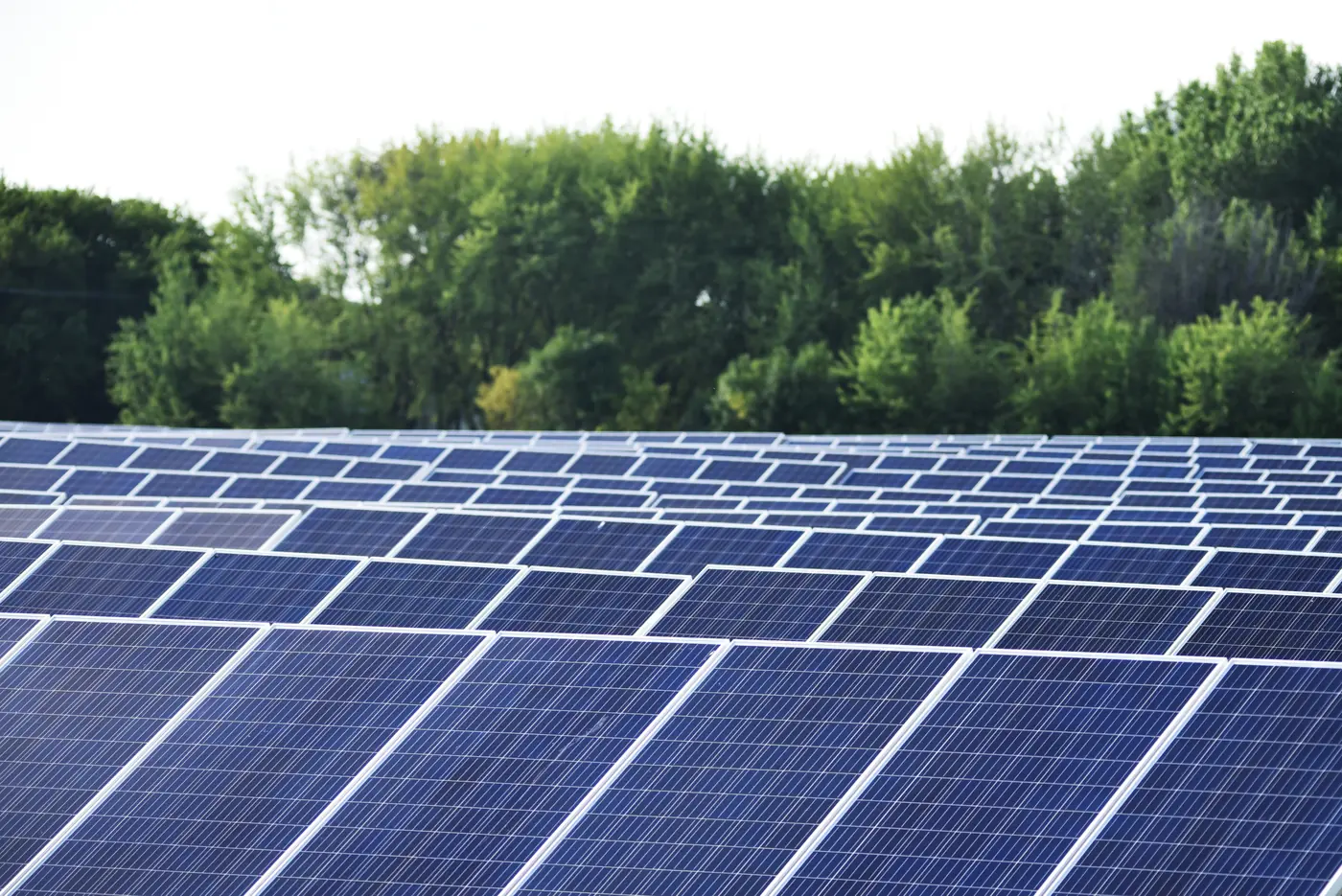 A solar installation in Minnesota, photographed in 2019, illustrates the technology behind the global expansion.
Credit: Courtney Celley / U.S. Fish and Wildlife Service, public domain.
A solar installation in Minnesota, photographed in 2019, illustrates the technology behind the global expansion.
Credit: Courtney Celley / U.S. Fish and Wildlife Service, public domain.
.jpg)
Solar Power’s Expanding Role
Solar generated 2,131 terawatt-hours of electricity in 2024, an increase of 29% from the previous year. That additional generation met 40% of the increase in global electricity demand.[1] Although solar still accounts for a relatively small share of all electricity, it supplies a much larger share of the extra power needed as consumption rises.
This increase in generation followed a rapid growth in installations. The IEA Photovoltaic Power Systems Programme’s April 2025 snapshot estimated that roughly 554–602 gigawatts of solar photovoltaic capacity were added worldwide during 2024. An oversupply from manufacturing helped lower panel prices, supporting installations in markets such as China and India.[2] Panels are only part of a project’s cost, but making them cheaper can help more projects go ahead and produce electricity in later years.
The amount of installed capacity is different from the amount of electricity generated. Capacity measures rated power output, while generation measures what a system actually produces over time. This depends on sunlight and when the panels begin operating, since those connected late in the year contribute to only part of the annual total. Ember linked the rise in generation in 2024 to the large volumes installed during both 2023 and 2024.[1]
China contributed 53% of the worldwide increase in solar generation in 2024.[1] This makes its expansion a large part of the global change, although the figure measures additional solar output. It does not establish that solar supplies most of China’s electricity or that fossil generation there has stopped increasing.
The Changing Global Electricity Mix
Solar’s share of global electricity reached 6.9% in 2024. The table below compares it with other sources using Ember’s figures for electricity generated during the year. These shares do not measure power-plant capacity or total energy consumption, which includes uses beyond electricity.[1]
| Electricity Source | Share of Global Generation in 2024 |
|---|---|
| Fossil fuels combined | 59.1% |
| Hydropower | 14.3% |
| Nuclear | 9.0% |
| Wind | 8.1% |
| Solar | 6.9% |
| Other renewables | 2.6% |
Table 1: The global electricity mix in 2024. Renewables and nuclear together supplied 40.9%. Data: Ember.[1]
Hydropower remained the largest renewable electricity source, while wind and solar together supplied 15%, overtaking hydropower for the first time. Nuclear contributed to the clean electricity milestone too, although it is classified separately from renewables. Meanwhile, coal alone supplied 34.4% of global generation, showing how much of the electricity system still depends on fossil fuels.[1]
Several sources are contributing to the changing mix. Solar contributes the most additional generation, while hydropower, wind and nuclear already supply much of the electricity produced from low-carbon sources.
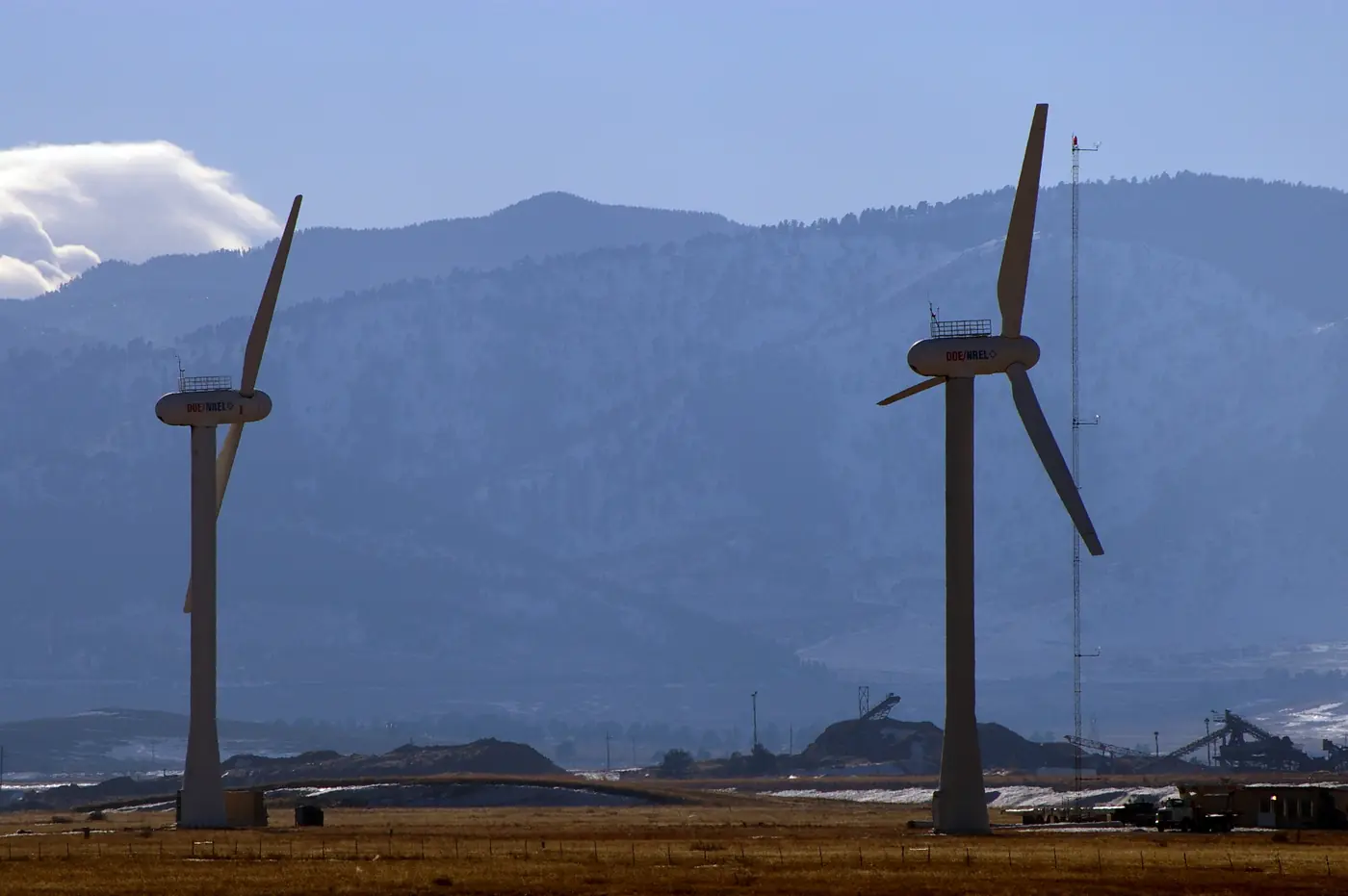 Research wind turbines at the National Renewable Energy Laboratory in Colorado, photographed in 2008. Wind is another major contributor to the changing electricity mix.
Credit: Hustvedt / Wikimedia Commons, CC BY-SA 3.0.
Research wind turbines at the National Renewable Energy Laboratory in Colorado, photographed in 2008. Wind is another major contributor to the changing electricity mix.
Credit: Hustvedt / Wikimedia Commons, CC BY-SA 3.0.

Rising Demand and Persistent Emissions
When total electricity production grows, fossil fuels can supply a smaller share while still generating more electricity. In 2024, global demand rose by 4%, and renewables and nuclear supplied 79% of that increase. Fossil fuels filled the remaining gap, with generation rising by 1.4%. Ember estimated that power-sector greenhouse gas emissions also increased, by 1.6%, reaching a record high.[1]
Higher temperatures contributed to this demand by increasing the electricity needed for air conditioning in homes and businesses. Ember estimated that if temperature patterns in 2024 had matched those of 2023, fossil generation would have increased by only 0.2%.[1] Although this is a weather-adjusted estimate, it helps explain how greater cooling needs can use up part of the additional clean electricity being produced.
Other uses are increasing electricity demand too. The IEA’s Energy and AI report, released on 10 April 2025, estimated that data centres consumed about 1.5% of global electricity in 2024. It projected their consumption would more than double by 2030, while accounting for roughly one-tenth of global electricity demand growth over that period. Industrial motors, air conditioning and electric vehicles were each expected to contribute more.[3]
As these uses expand, solar will need to grow alongside other clean electricity sources. A sustained global decline in fossil generation requires the combined increase in clean supply to be greater than the increase in electricity consumption.
Grids and Storage in Solar’s Next Phase
Annual totals do not show whether electricity is available at the time it is needed. Solar production rises with sunlight and falls toward evening, so a system with many panels may produce daytime electricity that goes unused. Storage, transmission to other places and greater consumption during sunny hours can help make use of that production.[1]
Batteries store electricity so it can be used after it has been generated. According to Ember, they routinely supplied close to one-fifth of California’s evening peak demand in 2024, helping replace gas generation.[1] This allows electricity produced during the day to meet demand after solar output has fallen.
Electricity also needs a route to the people using it. When the network cannot carry enough available power to where it is needed, grid congestion occurs. In March 2025, the IEA described how this can delay new connections and identified network upgrades, storage and more flexible consumption as ways to reduce the problem.[4] Moving activities such as vehicle charging to hours with plentiful solar production can also bring demand closer to the available supply.
The April findings show why installing panels is only part of expanding solar power. Networks and storage need to develop alongside them so that more of the electricity produced can reach consumers when they need it. How effectively that happens will help determine how much fossil generation the growing solar supply can replace.