How Greening Cities Can Directly Improve Mental Health
A Philadelphia study found that transforming vacant lots into green spaces reduced depression by over 40 percent for nearby residents, with the strongest effects in lower income neighborhoods.
When people think about improving mental health, they usually think about therapy, medication, or lifestyle changes. New research shows that something much more structural can also make a major difference. Simply turning vacant, neglected lots into green spaces can significantly reduce depression and improve overall mental wellbeing for people living nearby.
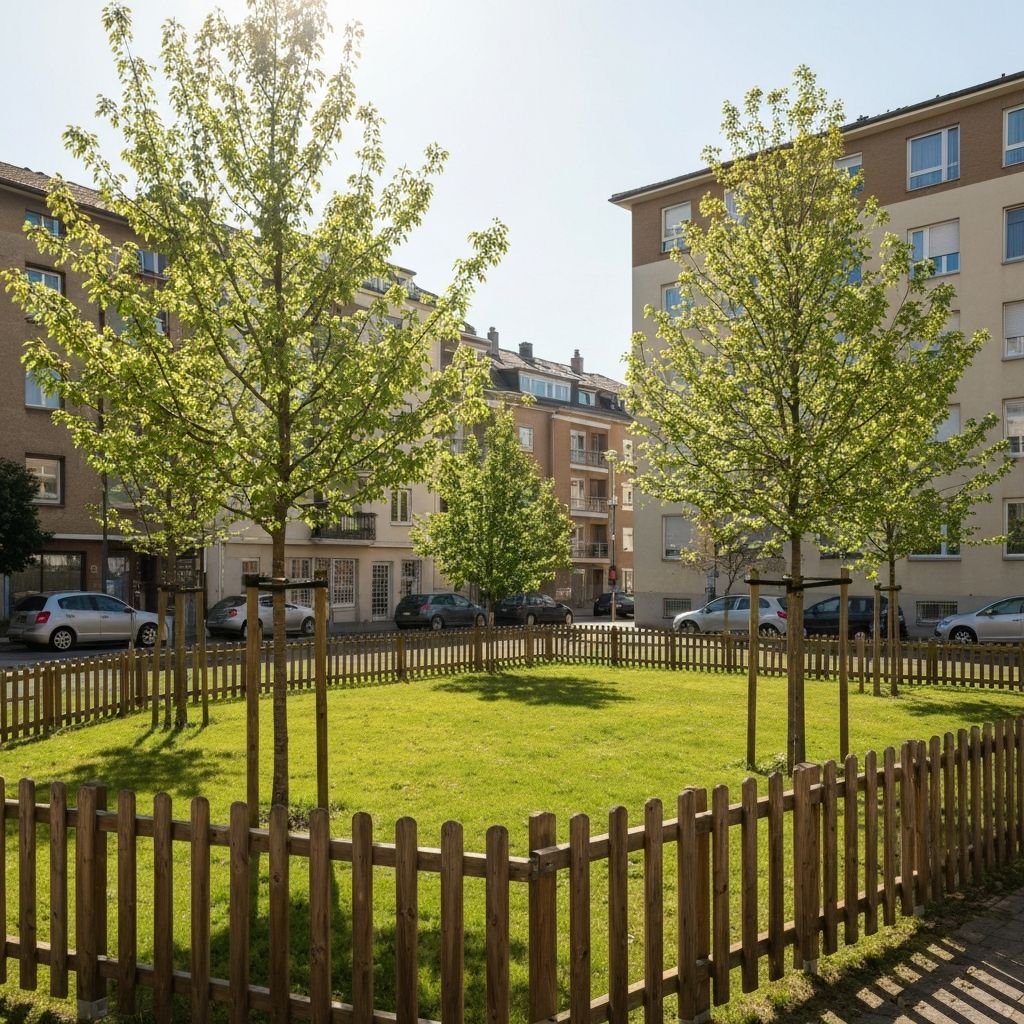
A large randomized controlled study in Philadelphia tracked residents before and after nearby vacant lots were transformed into green spaces. These interventions were not elaborate parks. They involved removing trash, planting grass and a small number of trees, grading the land, adding simple fencing, and maintaining the space. Even with these basic changes, the mental health effects were striking.
People living near greened lots reported over a 40 percent decrease in feelings of depression compared to residents living near untreated vacant lots. Reports of poor mental health dropped by nearly two thirds. These improvements were strongest in lower income neighborhoods, where residents often face higher levels of chronic stress and fewer access points to safe, natural environments.
Importantly, simply cleaning up trash was not enough. Lots that only received trash removal without added greenery did not show meaningful improvements in mental health. This suggests that it is not just the absence of blight that matters. The presence of living, natural space appears to play a key role in supporting psychological wellbeing.
Researchers believe green spaces may reduce mental distress by lowering chronic stress, improving feelings of safety, encouraging outdoor activity, and restoring a sense of control and pride in one's neighborhood. Over time, these environmental changes can influence how people experience daily life, especially in communities that have long faced disinvestment.
The findings show that mental health is shaped not only by individual factors, but also by the physical environments people live in. Urban greening is a relatively low cost, scalable way to improve population level mental health while also making neighborhoods safer and more livable.