Healthier Soil, Fewer Locusts, Bigger Harvests
New research from Senegal shows that improving soil nutrients can reduce locust damage while doubling crop yields, offering a sustainable alternative to pesticides.
Locusts and grasshoppers are some of the most destructive agricultural pests in the world. When their numbers rise, they can strip fields, destroy harvests, and threaten food security for entire communities. New research shows that a simple change in soil health can significantly reduce locust damage while also increasing crop yields.
Scientists working with farmers in Senegal tested whether improving soil nutrients could change how locusts feed on crops. Many crops grown in nutrient-poor soil are high in carbohydrates and low in protein. These plants are ideal fuel for locusts, helping them grow, move long distances, and form destructive outbreaks. This type of plant nutrition creates what researchers describe as a carbohydrate-heavy diet that supports locust population growth.
When researchers added nitrogen to the soil, the plants changed. Crops grown in healthier soil contained more protein and fewer carbohydrates. These higher-protein plants were harder for locusts to process and provided less usable energy. As a result, fewer locusts fed on the fertilized crops and plant damage dropped.
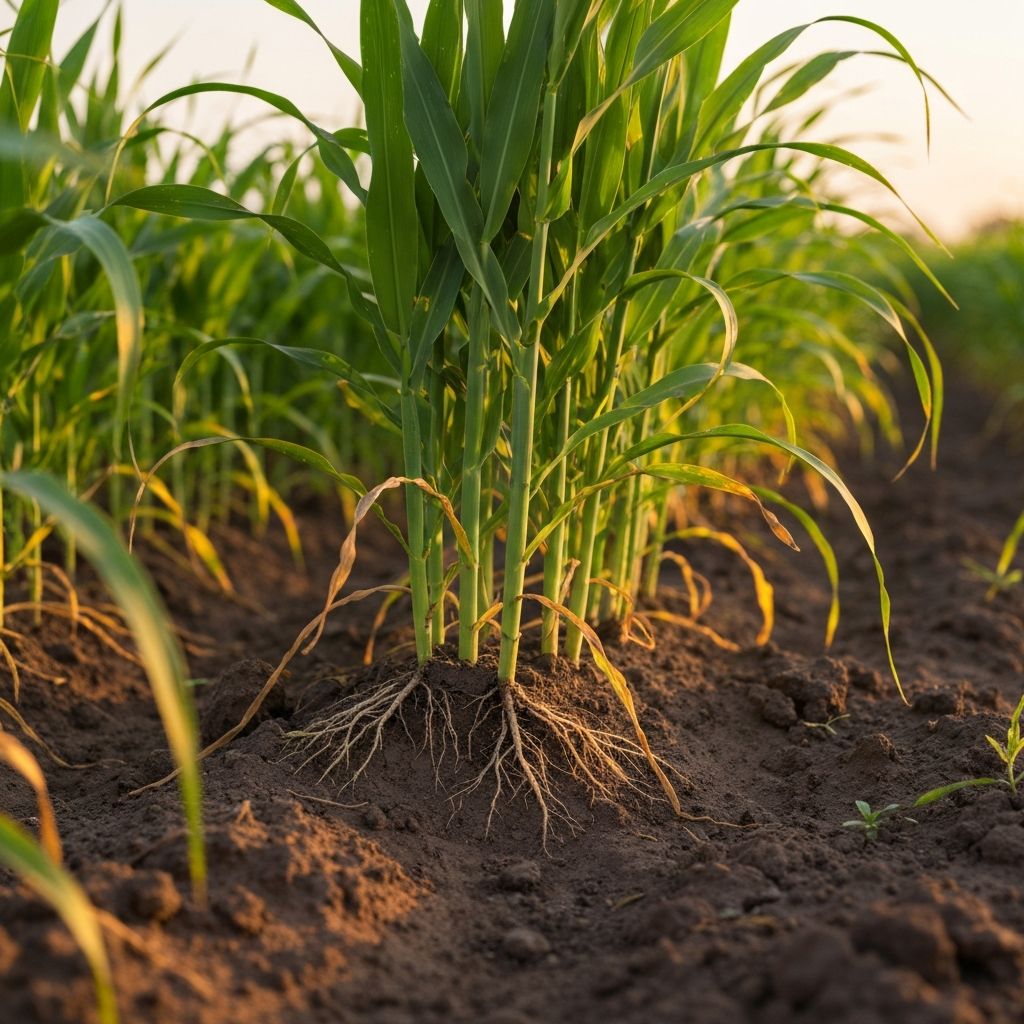
The field results were striking. Farmers planted two plots of millet, one with added nitrogen and one without. The treated plots had fewer locusts, less leaf damage, and harvests that were twice as large as those from untreated fields. This shows that soil health can directly shape pest behavior and crop success.
This approach is especially important because it works with natural plant and insect biology rather than relying only on chemical pesticides. Healthier soil makes crops more resilient and less attractive to pests at the same time. It also supports long-term soil quality, which is critical for sustainable farming.
Researchers are now testing compost as a more affordable and sustainable alternative to synthetic fertilizer. Early results suggest compost can provide similar benefits. This means farmers can reduce pest pressure, improve yields, and rebuild soil health using low-cost, locally available methods.
This research shows that protecting crops does not always require stronger chemicals. Sometimes, improving the foundation of agriculture, the soil itself, can make farms more productive, more resilient, and better prepared for future pest outbreaks and climate stress.