Extreme Heat Is Breaking Honey Bees' Natural Cooling System
New research shows that extreme heat can overwhelm honey bees' ability to regulate hive temperature, threatening colonies and the pollination services we depend on.
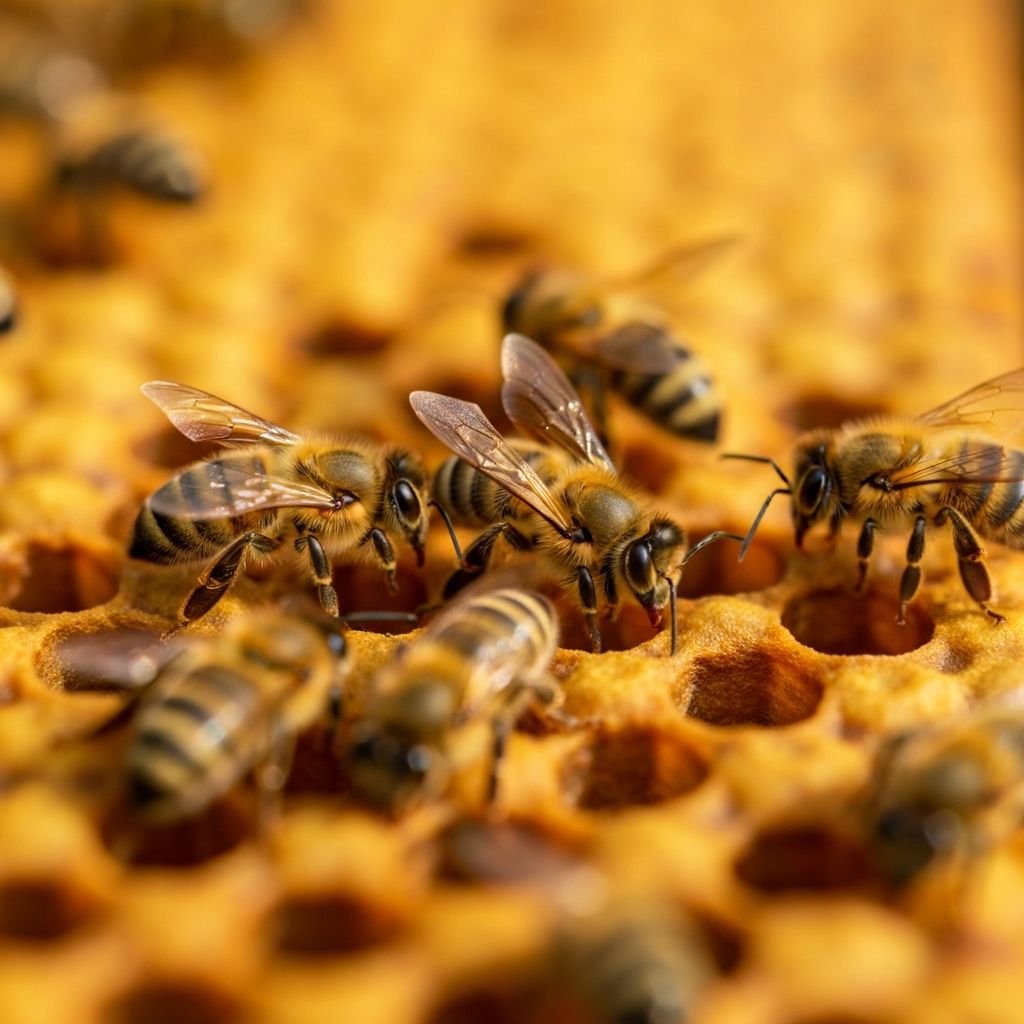
As climate change continues to raise global temperatures, extreme heat is becoming a major threat to biological systems that humans depend on. One important example is the honey bee. Honey bees are known for their ability to carefully control the temperature inside their hives, keeping conditions stable so that young bees can develop properly. However, new research shows that extreme heat can overwhelm this natural cooling system, putting entire colonies at risk.
A recent study followed nine honey bee colonies during a very hot summer in Arizona, where temperatures regularly exceeded 40°C (104°F). Under normal conditions, bees are able to keep brood temperatures in a narrow optimal range of 34–36°C. Although the bees were able to maintain average temperatures in this range, researchers found that the temperature inside the hive still fluctuated dramatically throughout the day. Developing bees were repeatedly exposed to temperatures that were either too hot or too cold, especially near the edges of the brood area.
These temperature swings had serious consequences. Colonies exposed to higher peak temperatures and greater internal temperature variation experienced population declines. Excessive heat can interfere with brood development and can also shorten the lifespan of adult bees, reducing the overall strength of the colony. This weakens the hive's ability to survive future stress and makes colonies more likely to collapse.
The loss of honey bees would have major impacts beyond the hives themselves. Honey bees are one of the most important pollinators for crops such as fruits, vegetables, and nuts. If bee populations decline, pollination rates can drop, leading to lower crop yields and higher food prices. This threatens food security and makes agricultural systems more vulnerable to climate-related disruptions. In this way, extreme heat does not just harm bees — it also puts human food systems at risk.
Colony size also mattered. Larger colonies were better able to buffer against extreme heat and keep temperatures more stable. In contrast, smaller colonies experienced much larger temperature swings, making them more vulnerable to heat stress and population loss.
As heat waves become more frequent and intense, protecting honey bees will become increasingly important. Providing shade, access to water, improved hive design, and high-quality forage can help reduce heat stress. Without action, rising temperatures could accelerate pollinator loss, weakening ecosystems and threatening global food production.