A Tiny Fish With a Short Life Is Teaching Us How Kidneys Age
The African turquoise killifish, which lives only a few months, is giving scientists a powerful new way to study organ aging and test drugs that could slow kidney decline.
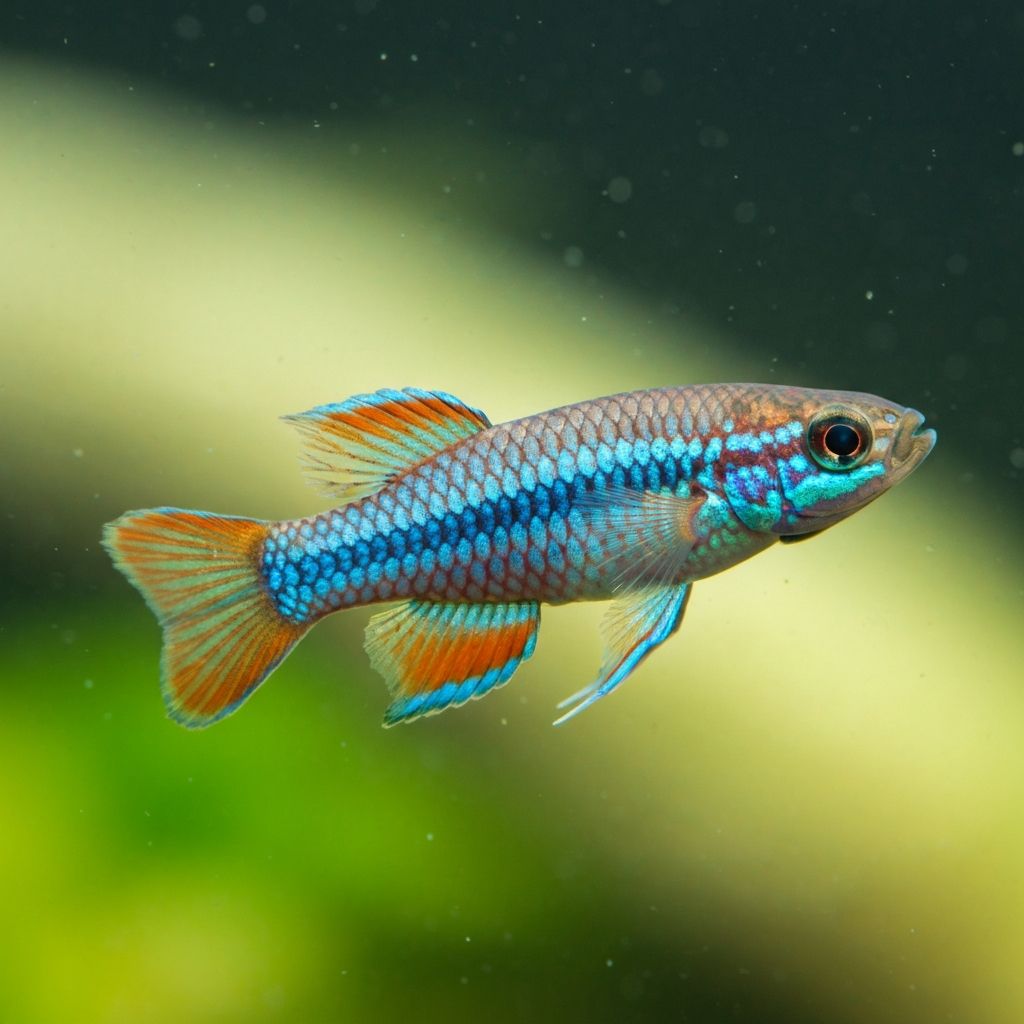
A small fish that lives only a few months is giving scientists a powerful new way to study how human organs age. The African turquoise killifish completes its entire lifespan in just four to six months. Because of this, it allows researchers to observe age-related changes that normally take decades in humans. A new study shows that this fish can reveal how kidneys grow old and how a common diabetes drug may help slow that process.
As the fish aged, researchers observed changes in kidney structure that closely resemble what happens in aging human kidneys. The fish showed damage to the filtration barrier, loss of tiny blood vessels, increased inflammation, and disruptions in how kidney cells produce energy. These changes are common in older adults and are linked to chronic kidney disease and higher risk of heart problems.
After establishing the fish as a reliable aging model, researchers tested a class of drugs called SGLT2 inhibitors. These drugs are widely prescribed to treat diabetes and are also known to protect the heart and kidneys in patients. The study found that fish treated with these drugs had healthier kidneys as they aged. Their kidneys maintained stronger filtration structures, preserved more blood vessels, and showed better cellular energy production. The treatment also reduced inflammation and helped keep gene activity patterns closer to those seen in younger fish.
This research also highlights why protecting biodiversity is important for human health and medical progress. Unique species like the African turquoise killifish provide biological tools that cannot be replaced by computers or cell cultures alone. Because this fish has an unusually short lifespan, it allows scientists to study aging in a way that would not be possible in most other animals. If species like this were lost due to habitat destruction or climate change, valuable opportunities to understand disease and develop treatments could be lost as well.
By protecting ecosystems and preserving biodiversity, humans are also protecting future medical discoveries. This study shows that nature itself can provide powerful models for understanding aging and disease. Protecting species is not only an environmental issue. It is also an investment in scientific knowledge and human health.