A New Building Material That Pulls Carbon Out of the Air
Researchers have developed an enzymatic structural material that captures CO2 instead of releasing it, offering a carbon-negative alternative to traditional concrete.
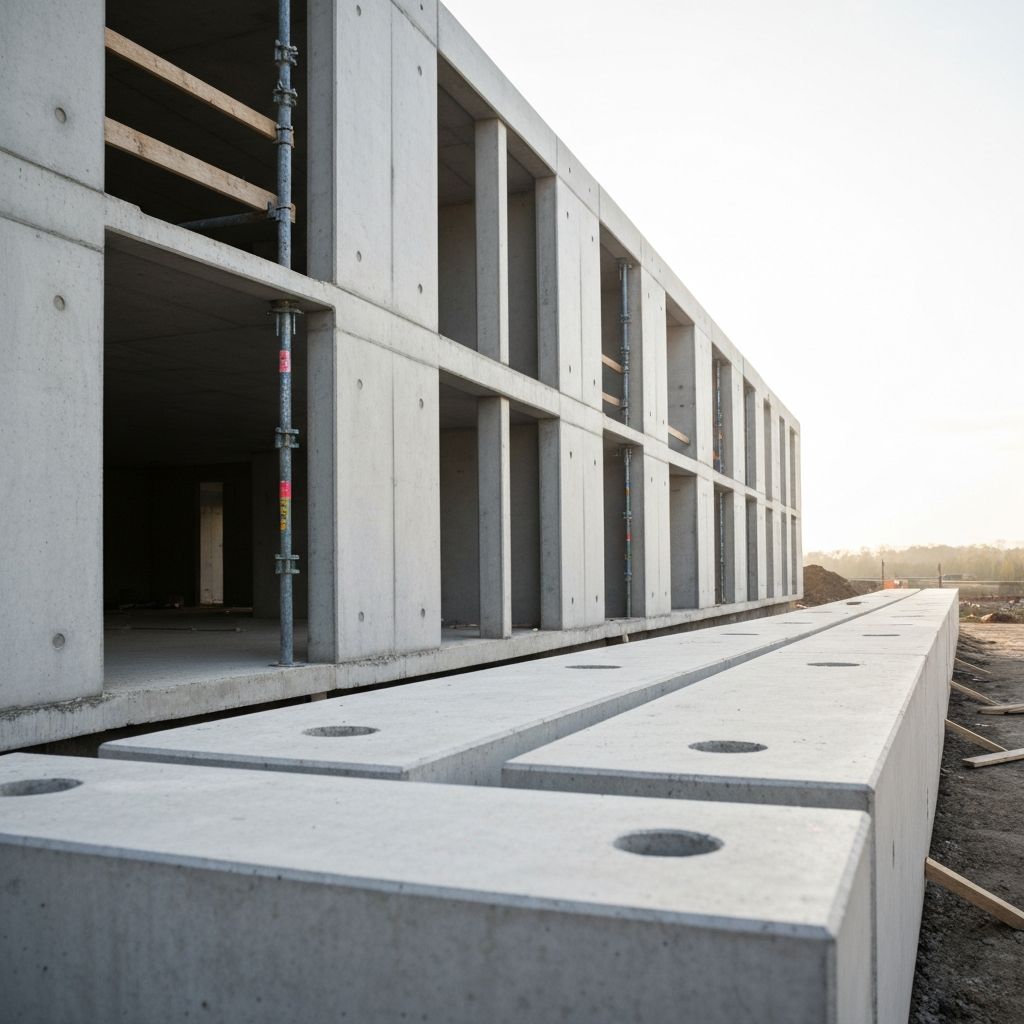
The construction industry is one of the largest sources of carbon dioxide emissions in the world. Concrete alone is responsible for about 8 percent of global CO2 emissions because it requires extremely high temperatures to produce and releases large amounts of carbon during manufacturing. As cities grow and demand for housing and infrastructure increases, finding cleaner building materials is critical for slowing climate change.
Researchers at Worcester Polytechnic Institute have developed a new building material that could dramatically reduce emissions while also removing carbon from the atmosphere. This material, called enzymatic structural material, uses a biological enzyme to turn carbon dioxide into solid mineral particles. Instead of releasing carbon like traditional concrete, this material locks carbon away inside its structure.
One of the most important advantages of this material is how quickly and efficiently it can be made. Traditional concrete can take weeks to fully cure and requires energy-intensive heating. In contrast, this new material cures within hours and forms under much lower energy conditions. For every cubic meter of this material produced, more than 6 kilograms of carbon dioxide are captured and stored. Conventional concrete, in comparison, releases around 330 kilograms of CO2 for the same volume. This means the new material is not just low carbon. It is carbon negative.
The material is also strong, durable, repairable, and recyclable. These qualities make it suitable for real-world uses such as wall panels, roof components, and modular building systems. Because it can be repaired instead of replaced, it may also reduce long-term construction waste and lower costs over time.
If even a small portion of global construction switched to carbon-negative materials like this, the climate impact could be significant. Buildings would no longer just be sources of emissions. They could become part of the solution by actively removing carbon from the air.
This research shows how combining biology, engineering, and materials science can create practical climate solutions. In a world that urgently needs to reduce emissions, turning buildings into carbon sinks could play an important role in building a more sustainable future.